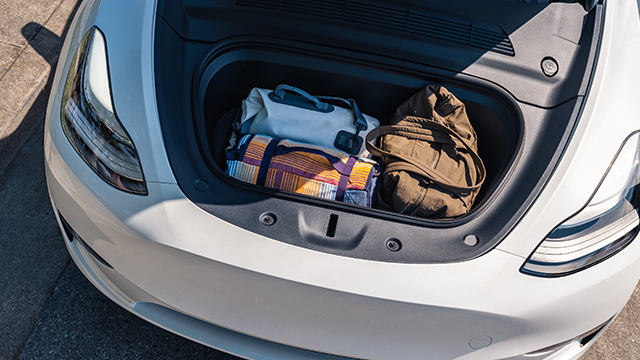
Best electric SUVs to buy in Australia

Mid-sized SUVs are one of the most popular segments in today’s auto market, and as electric cars in Australia gain traction, which mid-size electric SUV to buy is a common question. We break down what’s out there and what to look for to make the decision easier for you. Read Open Road’s independent and trusted electric car reviews here.
Today’s electric mid-sized SUVs start from just under $40,000, with most models sitting in the $50,000 to $60,000 bracket for entry-level variants.
Choice is wide in this competitive segment – there are nearly 25 models out there. Top models in this price range include:
- Tesla Model Y starting from $58,900
- BYD Sealion 7 starting from $54,990
- Geely EX5 starting from $40,990
- Zeekr 7X starting from $54,990
- Kia EV5 starting from $56,770
- BYD Atto 3 starting from $39,990
- Volkswagen ID.4/ID.5 starting from $59,990
- Hyundai Elexio starting from $59,990
- Deepal S07 starting from $53,900
- Skoda Elroq starting from $54,990
Not sure where to start?
Not sure where to start?
Tesla Model Y (from 466km WLTP)
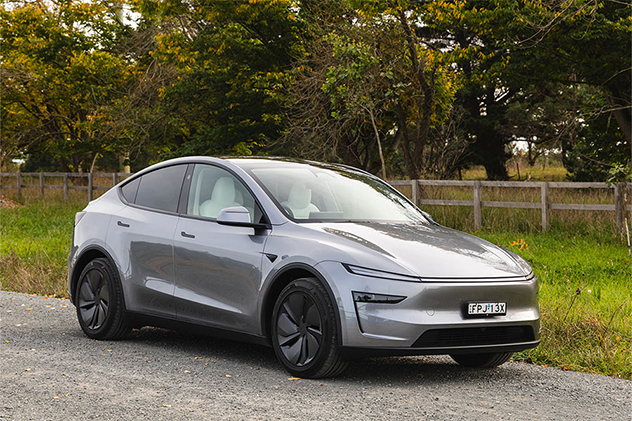
The Tesla Model Y remains the benchmark against which many electric SUVs are measured in Australia, and for good reason. Having just topped June new car sales for the second month running as the financial year closes, and for the first half of 2026, it combines strong driving range, excellent charging access and clever packaging in a body style that suits families, commuters and long-distance drivers alike.
The latest Tesla Model Y builds on the formula that made it Australia’s best-known electric SUV: a minimalist cabin, strong performance, and over-the-air software updates. Inside, the Model Y is spacious and pared back, with most major functions controlled through the central touchscreen. This design might not suit everyone, but it does give the car a clean, uncluttered feel, and the software-orientated interface allows Tesla to keep improving features over time.
For Australian buyers, the Model Y’s biggest strength is its maturity. It is not the newest electric SUV on the market, nor always the cheapest, but it remains one of the easiest EVs to live with thanks to its efficiency, charging ecosystem, storage space, and proven popularity.
BYD Sealion 7 (from 482km WLTP)
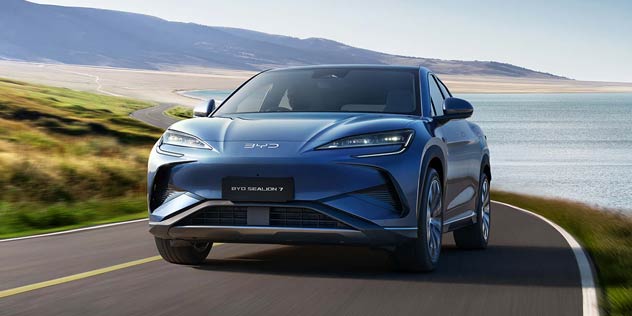
The BYD Sealion 7 has arrived in Australia at exactly the right time, stepping into the fast-growing electric SUV market with sharp pricing, a generous equipment list, and the kind of showroom presence that gives established players plenty to think about.
Sitting above the Atto 3, the Sealion 7 is BYD's top-selling model and givesa more premium, family-friendly electric SUV with a sleeker profile and stronger performance credentials. It is the sort of car likely to appeal to buyers who want the running-cost benefits of an EV, but still want the space, comfort and road presence of a larger SUV.
The cabin leans heavily into BYD’s tech-rich formula, with a large central screen, plenty of standard features, and a modern, clean layout. Depending on the variant, buyers can choose between rear-wheel drive efficiency or dual-motor all-wheel drive performance.
For Australian families, the Sealion 7’s appeal is straightforward: it offers usable range, strong value and a bigger footprint than the Atto 3, without pushing into luxury SUV money. It also gives BYD a serious rival to the Tesla Model Y, Kia EV5, Geely EX5 and Volkswagen ID.4.
Geely EX5 (from 430km WLTP)
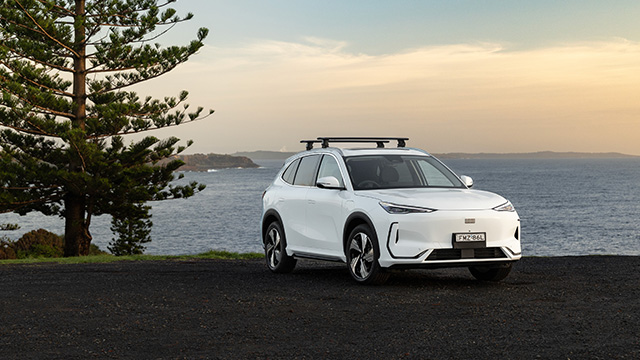
The Geely EX5 is one of the more interesting arrivals in Australia’s electric SUV market, bringing a value-focused pitch from Geely, one of China’s largest car groups and owner of more familiar marque Volvo. It lands in the same broad space as the BYD Atto 3, Kia EV5 and Deepal S07, and uses the same EV-only platform as premium stablemate to Volvo’s EX range, but with equipment and pricing that makes it hard to ignore.
For Australian buyers, the EX5’s appeal starts with its size and practicality. It is a medium electric SUV with enough room for family duties, a comfortable cabin and a relatively conventional design that should help it appeal beyond early adopters. It does not look or feel too experimental, which may be a strength for buyers moving out of a petrol or hybrid SUV for the first time.
The EX5 also benefits from Geely’s broader EV experience, with the company sitting behind brands including Volvo, Polestar and Zeekr. That gives the car some useful engineering credibility, even though the Geely badge itself may still be building awareness locally.
Against rivals, the EX5’s pitch is simple: give buyers a lot of electric SUV for the money. It may not have the badge recognition of Tesla or Kia, but its price, range and features make it one of the stronger value plays in the segment.
Zeekr 7X (from 480km WLTP)
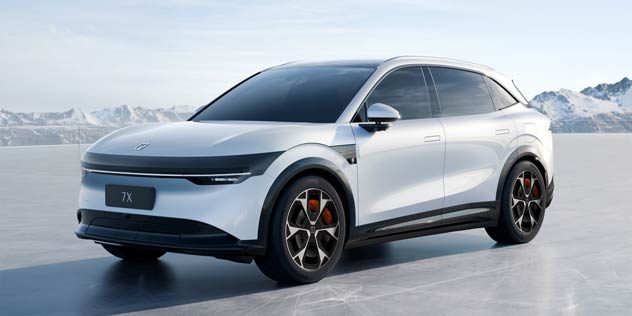
The Zeekr 7X gives Australian buyers another premium-leaning Chinese electric SUV, but with a slightly different flavour to the mainstream value players. Where some rivals chase the lowest possible entry price, the 7X aims to blend performance, technology and a more upmarket feel.
Zeekr is also part of the Geely group, which gives it access to substantial EV engineering and manufacturing scale. In Australia, that matters because the 7X has entered a crowded field where new brands need to prove they are more than just another badge. Its design is clean and confident, with a cabin that leans into technology and comfort rather than rugged SUV cues.
The 7X should appeal to buyers who like the idea of a Tesla Model Y alternative but want something fresher and less familiar. It also gives those looking at a Kia EV5, BYD Sealion 7 or Volkswagen ID.4 another option with strong performance and a more premium edge.
The key question for Australian buyers will be brand confidence: service coverage, resale value and long-term support. But on product alone, the Zeekr 7X looks like one of the more polished new electric SUVs to arrive in our market.
Kia EV5 (from 400km WLTP)
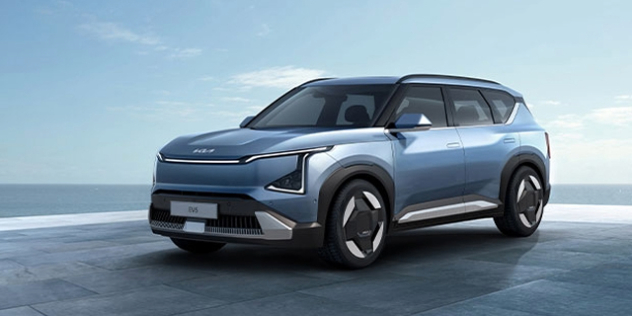
The Kia EV5 is a strong choice for Australian families because it brings Kia’s familiar ownership proposition into a more affordable and practical EV package. It sits below the larger EV9, but keeps the blocky, modern design language that has helped Kia’s electric range stand out from the sleeker Tesla vehicles. Read about Kia EV5 going up against the Tesla Model Y.
Unlike some newer entrants, Kia already has a strong dealer network and a well-established reputation in Australia. That gives the EV5 an advantage with buyers who want the benefits of an electric SUV without feeling like they are taking a punt on an unfamiliar brand.
The EV5 is pitched squarely at family use, with a roomy cabin, useful technology and the sort of upright SUV shape that makes daily life easier. Depending on variant, buyers can choose between standard-range and long-range batteries, while higher grades add extra comfort and convenience features.
Its real strength is balance. The EV5 is not trying to be the most radical EV on sale, nor the cheapest. Instead, it offers a sensible pathway into electric driving for households that already understand Kia’s strengths: value, warranty, practicality, and broad appeal. That makes it one of the strongest mainstream electric SUV contenders in Australia.
BYD Atto 3 (from 420km WLTP)
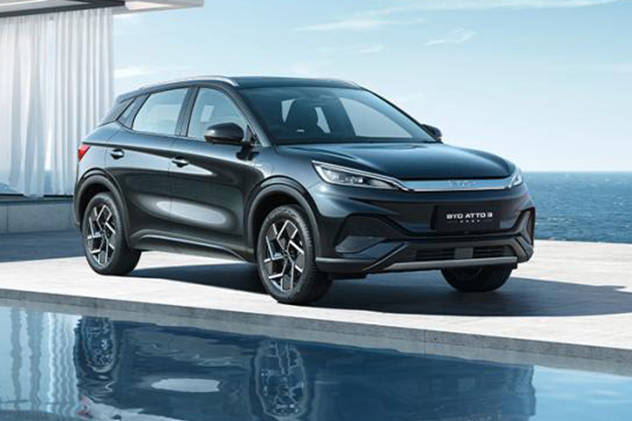
The BYD Atto 3 has become one of Australia’s most familiar electric SUVs, and it is easy to see why. It helped bring EV pricing closer to mainstream family car territory while offering enough range, space and equipment to make the switch feel realistic for everyday drivers.
As a compact SUV, the Atto 3 works well for urban and suburban buyers who want an EV that is easy to live with but still practical enough for school runs, commuting, and weekend trips. It is not as large as the Sealion 7 or Tesla Model Y, but that smaller footprint can be an advantage in city traffic and tighter parking spaces.
The interior is one of the Atto 3’s most distinctive elements, with a playful design that sets it apart from more conservative rivals. Some buyers will love the character, while others may prefer something more restrained, but it gives the car a clear identity.
For Australian buyers, the Atto 3’s biggest strength remains value. It offers a strong equipment list, useful WLTP range, and BYD’s increasingly recognised EV credentials at a price point that keeps it firmly on the shortlist for first-time EV buyers.
Volkswagen ID.4/ID.5 (from 522km WLTP)
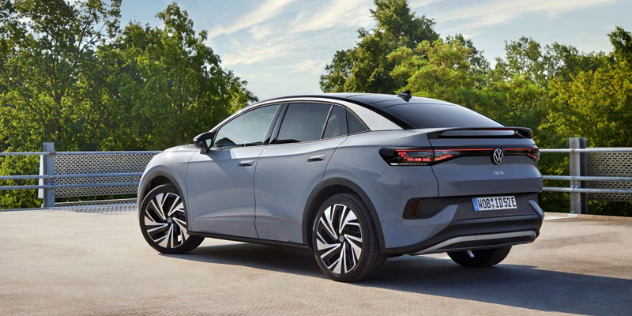
The Volkswagen ID.4 and ID.5 give Australian buyers a more familiar badge in the electric SUV market, pairing Volkswagen’s mainstream appeal with dedicated electric underpinnings. After a long wait for local arrival, the ID models now give VW a much-needed answer to the Tesla Model Y, Kia EV5 and BYD Sealion 7.
The ID.4 is the more conventional of the pair, with a practical SUV body and a family-friendly layout. The ID.5 adds a sleeker coupé-style roofline, giving buyers a sportier look at the expense of some outright practicality.
For Australian drivers, the attraction is likely to be familiarity. Volkswagen has a large existing customer base, a national dealer network, and a reputation for solid road manners. The ID.4 in particular should appeal to buyers who want an EV that feels like a normal medium SUV, rather than a tech experiment.
Pricing and competition remain critical, because this part of the market is moving quickly. But for buyers who want a European electric SUV without stepping into luxury-brand territory, the ID.4 and ID.5 bring a well-known badge into the EV mainstream.
Hyundai Elexio (from 546km WLTP)
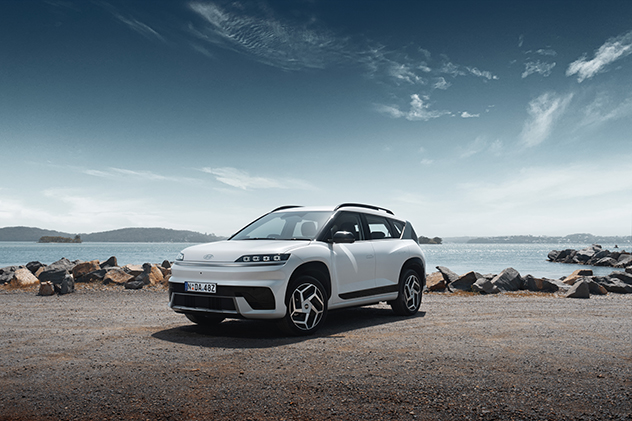
The Hyundai Elexio gives Hyundai a new electric SUV positioned between the smaller Kona Electric and the more design-led Ioniq 5. That makes it an important model for Australian buyers who want a practical, family-sized EV from an established brand, but do not necessarily want the more futuristic feel of Hyundai’s Ioniq range.
The Elexio’s strongest pitch is range and comfort. With a large battery, front-wheel-drive layout and a focus on everyday usability, it is designed to cover commuting, school runs and longer weekend drives without feeling like a compromise. It also brings Hyundai’s dealer network and brand familiarity, which can be a major reassurance for buyers stepping into an EV for the first time.
Inside, the Elexio leans into a modern, tech-heavy presentation, with a broad digital interface and a cabin designed to feel more premium than its price point might suggest. It is not as quirky as some Chinese-brand rivals, yet still feels contemporary.
For Australian buyers, the Elexio’s challenge is value. The segment is now packed with sharply priced rivals, including the Geely EX5 and BYD Sealion 7. But the Hyundai’s brand strength, 546km claimed range, and local support should keep it firmly in the conversation.
Deepal S07 (475km WLTP)
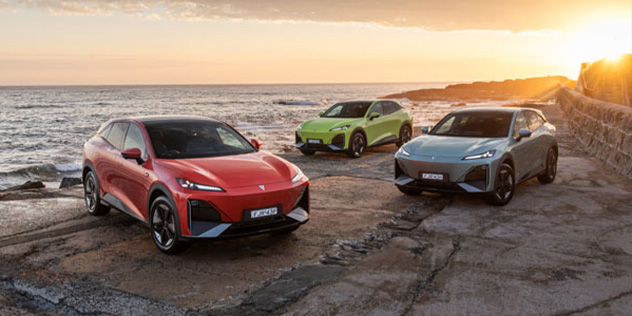
The Deepal S07 is one of the more distinctive new electric SUVs on sale in Australia, combining keen pricing, a long equipment list and a design that looks more premium than its price might suggest. It comes from Changan’s electric vehicle arm and gives Australian buyers another Chinese-built alternative in the increasingly busy medium SUV segment.
Its appeal is strongest for buyers who want a stylish, feature-rich EV without spending luxury money. The S07 offers a sizeable battery, useful WLTP range, rear-wheel drive and a cabin that focuses heavily on screen-based technology and comfort features. It is the sort of car that can make a strong first impression in the showroom.
For everyday Australian use, the S07’s size and range make it suitable for commuting, family duties and regional weekend trips, although buyers will still need to weigh up charging speeds, dealer coverage and long-term brand confidence.
It competes directly with models such as the Geely EX5, Kia EV5, BYD Sealion 7 and Volkswagen ID.4. Where Deepal has an opportunity is in perceived value: if buyers are comfortable with a newer brand, the S07 offers a lot of electric SUV for the money.
Skoda Elroq (from 395km WLTP)
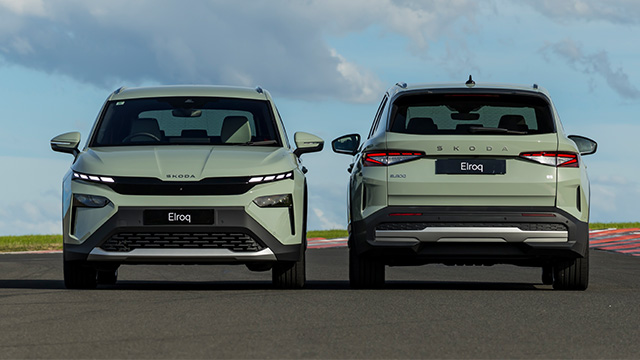
The Skoda Elroq brings one of the more practical European options into Australia’s electric SUV market. Smaller than the Enyaq but still useful for daily family duties, it gives Skoda a foothold in the affordable end of the EV space.
The Elroq’s appeal starts with its familiar Skoda strengths: clever packaging, understated design and a focus on everyday usability. It doesn't need to shout for attention, which may suit buyers who want an EV that feels sensible, well-resolved, and easy to live with.
Depending on variant, the Elroq offers a choice of battery and range options, with entry pricing now making it more competitive against Chinese and Korean rivals. That matters in Australia, where buyers are increasingly comparing electric SUVs not just on badge, but on price, WLTP range, charging capability and standard equipment.
Inside, the Elroq keeps things practical and modern, with enough technology to feel current without losing the useful details Skoda is known for. For buyers who like the idea of a European electric SUV but do not want to stretch to luxury-brand pricing, the Elroq could be one of the more appealing new options.
My NRMA Rewards member Ethan found his new electric SUV with Motor Scout - see how he did it here.