Major carmakers incur millions in fines in first NVES emissions results
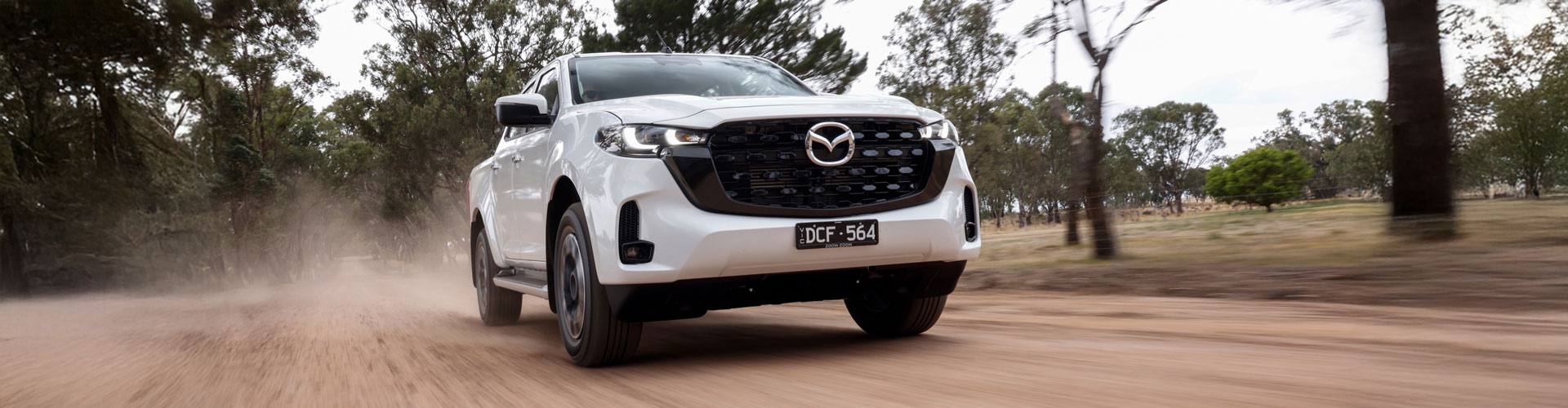
Three major Japanese carmakers – Mazda, Nissan and Subaru - have incurred millions in fines having missed mandatory carbon emissions limits introduced in 2024 under the New Vehicle Efficiency Standard (NVES), a scheme designed to curb emissions from vehicles entering the Australian market.
Transport accounts for over one-fifth of Australia’s emissions in total, and passenger and light vehicles make up 60 per cent of this. The NVES was introduced to mandate a reduction in the emissions of new cars sold in Australia as part of net zero goals. But the first six-month results published since fines were introduced in July 2025 under the standard shows that a third of carmakers missed the targets, which will only become stricter from now until 2029.
Currently, the average emissions limit for “Type 1” vehicles (passenger cars) is 144gm C02/km, and for “Type 2” vehicles (light goods vehicles, which includes ladder-frame utes and SUVs) under revised NVES standards), it is 214gm CO2/km. These limits are intended to reduce emissions from vehicles over time by nudging brands towards lower-emissions models, including battery-electric vehicles and more efficient hybrids.
"NRMA supports the New Vehicle Efficiency Standard because it will help bring more low-emission and fuel-efficient vehicles into the Australian market, giving motorists greater choice and lower running costs," says NRMA Future Mobility Advisor, Nikesh Murali.
"It is encouraging to see that 40 carmakers beat their targets in the first NVES performance period, showing strong industry engagement with the standard, and the results point to ongoing improvements across the sector as the standard continues to take effect."
What are Australia’s emissions targets?
Across the national fleet of new vehicles sold in 2025, average emissions numbers came in under the targets, showing a positive sign that Australia’s transport emissions can be reined in. All in all, the NVES regulator said a net surplus of 15.9 million NVES units were generated, and of the national fleet, 12 per cent were electric while 88 per cent were internal combustion engine or hybrids.
Average emissions numbers for passenger cars came in at 114gm, and light goods vehicles came in at 199gm in 2025. While these results beat the initial 2025 requirements, the bar rises sharply this year: the 2026 NVES targets tighten to 117g/km for cars and 180g/km for commercial vehicles. This shift isn't just a compliance exercise: how vehicle emissions affect the environment is now clear, as higher tailpipe CO2 locks in more warming pollution, while other pollutants from combustion can worsen urban air quality and flow-on health impacts.
Which carmakers missed their emissions targets?
Each unit of liability is worth $50, and carmakers that have missed their targets will have three years to pay the fines, or trade with carmakers that have credits accrued. Mazda – which has incurred 508,517 liability units, equalling $25.4 million – faces the heaviest penalty, while Nissan has incurred $10.7 million in fines and Subaru has incurred almost $7 million. Mazda now sells the Mazda 6e EV and Subaru sells the Solterra electric SUV (with just 202 sold in 2025), and Nissan is yet to announce a launch date for its refreshed Nissan Leaf.
Hyundai, which in 2024 publicly supported the NVES and said it is “committed to working with government and industry to ensure Australian consumers get access to the widest range of affordable low- and zero-emission vehicles,” faces $4.2 million in fines. It sells several electric vehicles, including the Kona EV, Ioniq range and now also the Elexio, but has placed the blame for missing its targets on its N line of vehicles, according to Chasing Cars.
Other carmakers that incurred liabilities include GM, Porsche, Mahindra, Honda, KGM, SAIC, Jaguar and Jaguar Land Rover, Ferrari, Aston Martin, FCA, Rolls Royce, Maserati, and Alfa Romeo.
Error
You should have min 1 testimonial item.
Which carmakers beat their emissions targets?
The top carmakers that accrued credits in return for beating emissions targets were BYD (6,282,824 when combining both its importer and manufacturer credits), Toyota (2,890,625 credits) and electric-only carmaker Tesla (2,212,093 credits).
This was followed by Kia which told Open Road in 2025 that it believed it would meet its targets. It has now accrued 729,698 credits. Newcomer Geely accrued 620,233 credits, followed by Volkswagen, which in 2024 issued public support for the NVES but also dragged its feet in introducing its electric range in Australia. In an interview with Open Road in 2025 when attending the ID.4/ID.5 review launch, the German carmaker stated it was sure it would meet its targets thanks to its efficient diesel range – and it would appear this has been the case, a far cry from the PR disaster it faced in 2015 in the wake of “Dieselgate”. It has now incurred 510,249 credits.
A full list of NVES results for the six months to the end of 2025 can be found here.