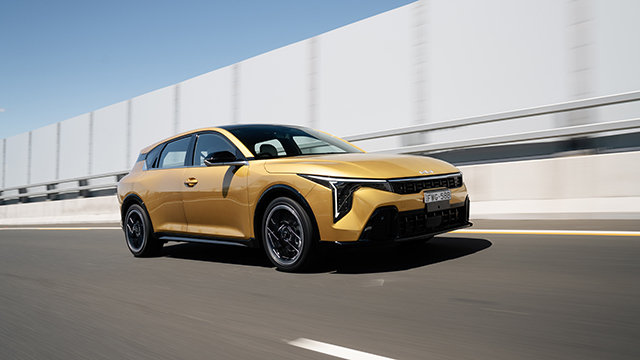
2026 Kia Seltos review

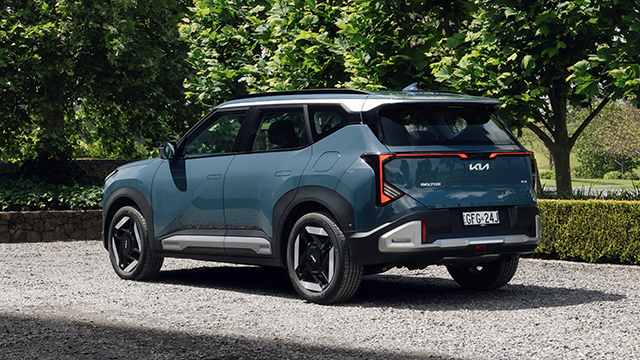
Things we like
- Tech-laden cabin is practical, spacious and polished across all grades
- Bigger on-road footprint has injected more poise and comfort
- Excellent real-world efficiency
Not so much…
- Overzealous safety suite occasionally detracts from the drive experience
- Moderate pricing increases and expensive servicing costs
- No spare tyre on all-wheel drive grade
Welcome to the new battleground of modern car makers.
The new second-generation Kia Seltos arrives in Australia bearing its familiar SUV form, hybrid power, and a laundry list of standard equipment and safety.
In years gone by this would be an assured recipe for success.
However, against a barrage of emerging and established Chinese brands in Australia, can the Seltos distinguish itself in a crowded marketplace?
The answer remains an unequivocal yes.
How much does the Kia Seltos cost?
The Seltos range now opens at $37,990 plus on-road costs for the entry S grade.
Moving through the model walk, there’s an S with Safety pack (from $40,150 plus ORCs), Sport ($41,910), Sport+ ($44,970), GT-Line ($49,870) and finally the GT-Line AWD grade ($52,870).
Relative to the established competitive set, those prices position the Seltos quite strongly. The Hyundai Kona opens at $33,950 (plus ORCs), Mazda CX-30 (from $32,140), Toyota Corolla Cross Hybrid ($36,480) and Subaru Crosstrek ($34,990).
However, in the face of the renewed Chinese set, the Seltos loses some of its lustre. Think rivals including the MG ZS (from $21,990), GWM Haval Jolion ($25,790), Chery Omada Omoda C5 ($28,990), BYD Atto 3 ($39,990) and GAC Emzoom ($22,590).
It’s also worth noting the Seltos’ entry price has risen to the tune of $7000 as part of the second-generation update.
— Sam Charlwood
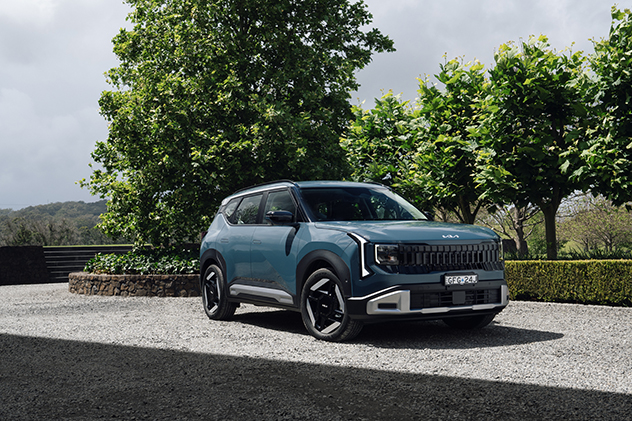
What is the 2026 Kia Seltos like inside?
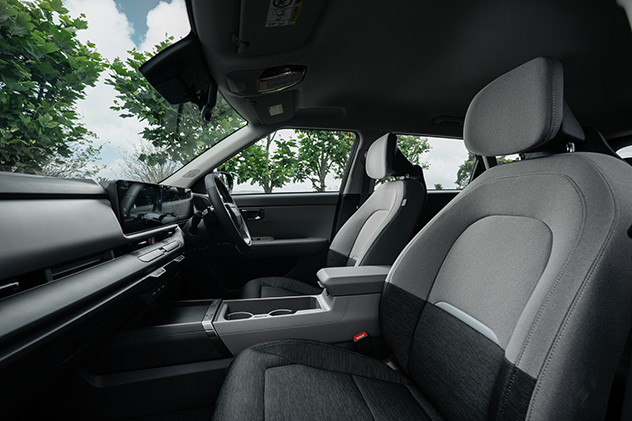
Granted, the price of the Kia Seltos has gone up – but so too has its interior game.
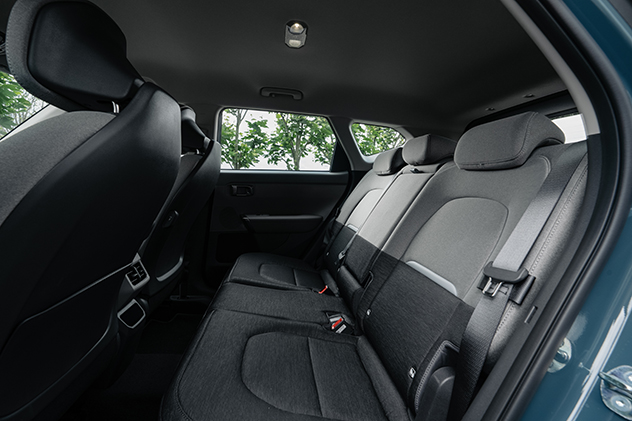
This small SUV takes on a newfound stature in second-gen form. First up, a 60mm longer wheel base translates to demonstrably more rear seat space, including additional leg room, shoulder room and head room, according to Kia. The second row seats offer recline adjustment, a boon for longer journeys.
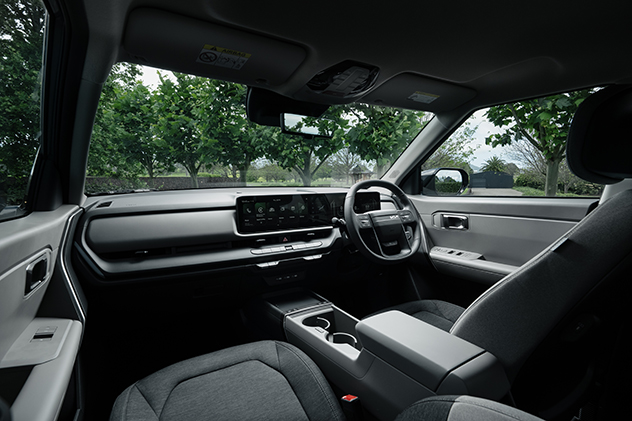
Those added dimensions are complemented by vast digital displays on all models, and a noticeable uplift in cabin trims and finishes compared with the first-generation Seltos.
Storage is sound across both rows of seating, with a mix of open cubbies, compartments and cavernous door pockets. The relocation of the gear selector onto the transmission tunnel, has liberated more configurable odds and ends storage in the centre stack, for example.
Taking pride of place on the dashboard are two 12.3-inch displays – one displaying infotainment and settings, the other conveying important driving information – divided by a dedicated 5-inch HVAC display. The middling controls are permanently set, meaning you aren’t required to navigate through needless menus for basic commands.
Another convenient touch is the spread of USB-C ports dotted around the cabin, along with ample air vent access across both rows.
The seats are comfortable, the driver positioning is spot on and outward vision in the Seltos is ample for both driver and passengers, courtesy of its relatively boxy glasshouse design.
Luggage capacity has had a modest 15-litre uptick to 483 litres, extending to 1441 litres with the second-row split-fold seats laid flat. Thankfully a space-saver spare tyre also resides underneath the boot floor, except for the AWD drive, which makes do with an inflation kit.
What equipment does the 2026 Kia Seltos come with?
The Seltos comes loaded with standard kit.
Out of the box, the base S grade gets LED headlights, LED , daytime running lights, LED and tail lights (with bulb turn signals), 16-inch alloy wheels, keyless entry and start, and dual-zone climate control.
Infotainment comprises the aforementioned dual 12.3-inch screens and, a dedicated 5-inch HVAC display, plus over-the-air updates, Kia Connect functionality, wireless (and wired) Apple CarPlay and Android Auto.
Moving up through the grades adds items including a powered tailgate, seat heating and ventilating, artificial leather and a head-up display.
On the aftersales front, the Seltos is backed by Kia’s seven-year/unlimited kilometre warranty. Services are set at 12-month/15,000km intervals – with the first seven years capped at $3830, which is on the expensive side of the ledger.
How safe is the 2026 Kia Seltos?
The second-generation Kia Seltos comes with all the requisite safety kit including seven airbags, autonomous emergency braking with cyclist, pedestrian and junction assist, adaptive cruise control, blind spot collision assist, front and rear parking sensors, reversing camera, driver detection camera and rear cross-traffic alert.
Those who spring for the S version with a Safety Pack (or any model higher than the S in the model walk) also receive a 360-degree camera, blind spot view monitor, parking collision avoidance and parking distance warning.
The two-pronged approach is owed to Kia targeting a dual safety rating with the Seltos, as it did with the Tasman ute last year. The base model will strive for a four-star rating – ensuring while the that all other models will get a five-star score.
What powers the 2026 Kia Seltos?
The Seltos moves to an exclusively hybrid powertrain in second-generation form.
Doing duty under the bonnet is a 1.6-litre four-cylinder petrol engine mated to an electric motor driving the front wheels.
Power and torque is rated at 112kW and 265Nm respectively, while the hybrid combination returns a claimed fuel efficiency rating of 5.1L/100km, according to Kia. A silver lining amid the current fuel crisis is the Seltos’ compatibility with 91 RON regular unleaded fuel.
Moving up through the grades, the GT-Line moves to an all-wheel drive configuration, with a tweaked version of the same drivetrain. Power is rated at 126kW while torque was unrated at the time of writing.
Moving to Kia’s K3 platform for its second generation, the new Seltos purportedly offers enhanced body rigidity, improved noise insulation and a tauter chassis for improved comfort and driving dynamics.
Suspension duties are handled by McPherson Strut front suspension and a multilink rear configuration.
What is the 2026 Kia Seltos like to drive?
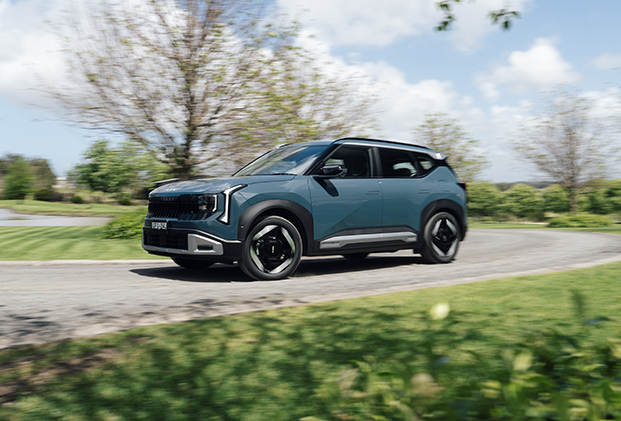
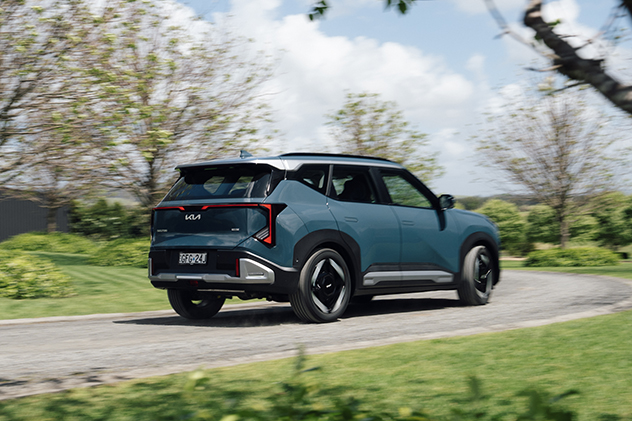
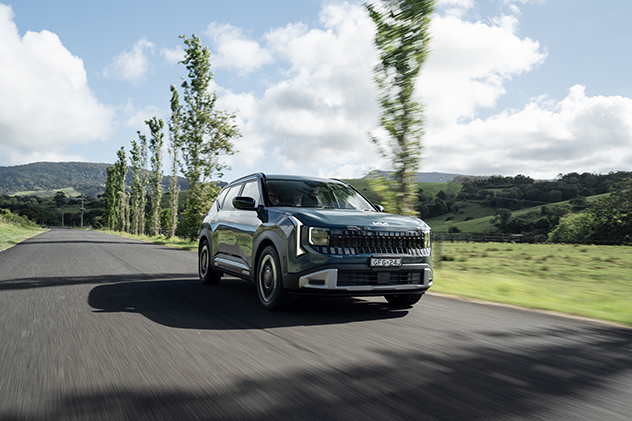
The Seltos take-two feels like an entirely different car to the first-generation model that preceded it.
It is whisper quiet, offers smooth low speed conveyance and carefully tuned controls – the sort of qualities once the preserve of the larger Sportage and Sorento, not Kia’s smaller sibling.
The hybrid drivetrain has imbued the Seltos with a refined around-town demeanour, offering effortless immediacy from a standstill, met with the sound of relative silence. Once the petrol engine dials in, it does so unobtrusively – provided you’re in the lower echelons of the rev range; venture higher and the four-pot’s vocal cords are readily exposed.
Hybridisation also lends the Seltos adequate shove when you require more urgency, such as overtaking scenarios or big inclines. The vehicle’s regenerative braking is conveniently accessed by the same steering wheel mounted paddles that also control gear changes, meaning the petrol-electric combination is a harmonious one.
Navigating tighter spaces highlights the vehicle’s newfound size; it feels more SUV than hatch-on-stilts, like its predecessor.
Ride and handling in the Seltos depends largely on which variant you’re driving. Two-wheel drive examples naturally lean towards a better urban ride, with a softer suspension setup and thicker tyre walls more adept at soaking up broken bitumen.
Body control on these models remains strong, with moderate but measured pitch and roll between fast changes in direction, while the steering is accurate and well weighted.
Stepping into the all-wheel drive GT-Line adds a strong handling element, with a suspension tune that enables the car to sit flatter through corner and offer greater response and agility – if touring is more your jam.
Either way the Seltos offers enjoyable, supple dynamics and adequate road holding – helping elevate the Kia above most legacy players and endowing it with a healthy on-road buffer from the new Chinese guard.
The one caveat to all of the above it’sis the vehicle’s overzealous safety suite, which beeps and bongs at seemingly any opportune moment. Granted, it’s not as bad as some rivals, and you can turn the systems off – but doing so ultimately defeats the point in our mind.
We averaged 5.3L/100km in a mix of conditions across both grades during the launch – but will await a proper week living with the car before passing full judgement on efficiency.
The NRMA’s take on the 2026 Kia Seltos
The new Kia Seltos marches to a different tune than its predecessor, offering a more mature on-road poise and skillset, a noticeable boost in technology, and a cabin with excellent amenity for adults and little ones alike.
Some might question the value equation given the increased cost of entry, but that argument is watered down when you consider the equipment and polish of even the base car, which stands out to us as the most compelling and pragmatic option in the line-up.