
2026 GAC Aion V launch review

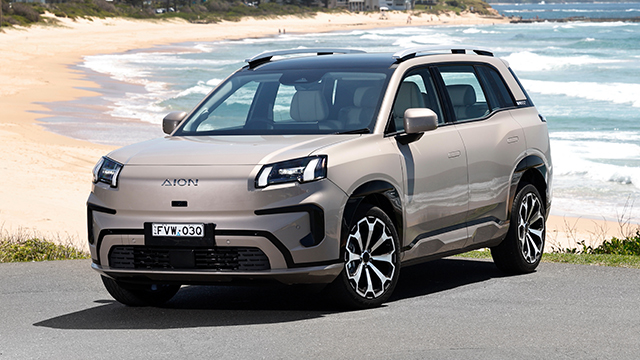
Australia’s car market has become saturated with new brands in recent years. Many of its newest additions have hailed from China, and the most recent of these is GAC (standing for Guangzhou Automobile Group).
As is often the way with these Chinese brands, being ‘new’ in Australia does not mean they are new elsewhere – or to building cars in general. GAC’s development goes back to the 1980s and includes joint ventures with Peugeot, Honda, and Toyota dotted along the way.
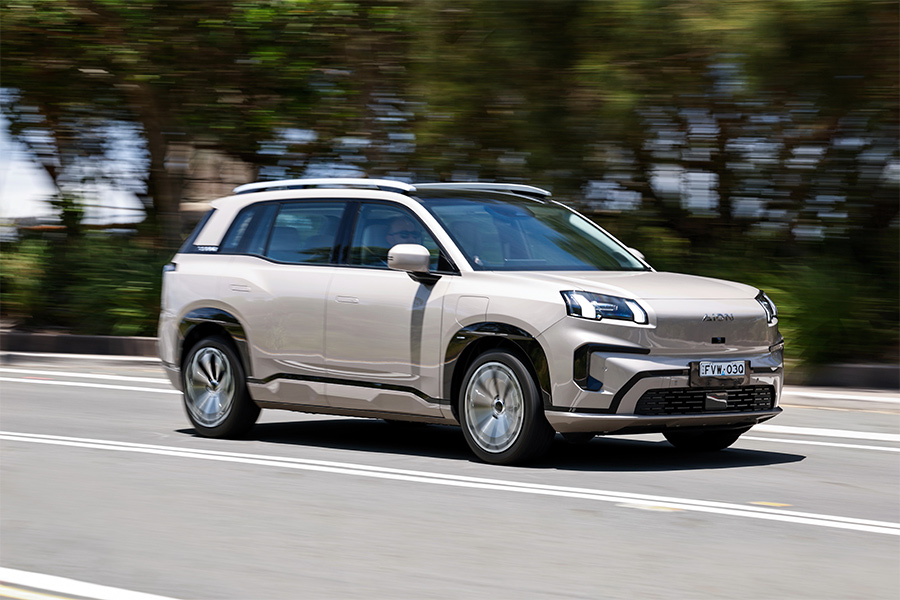
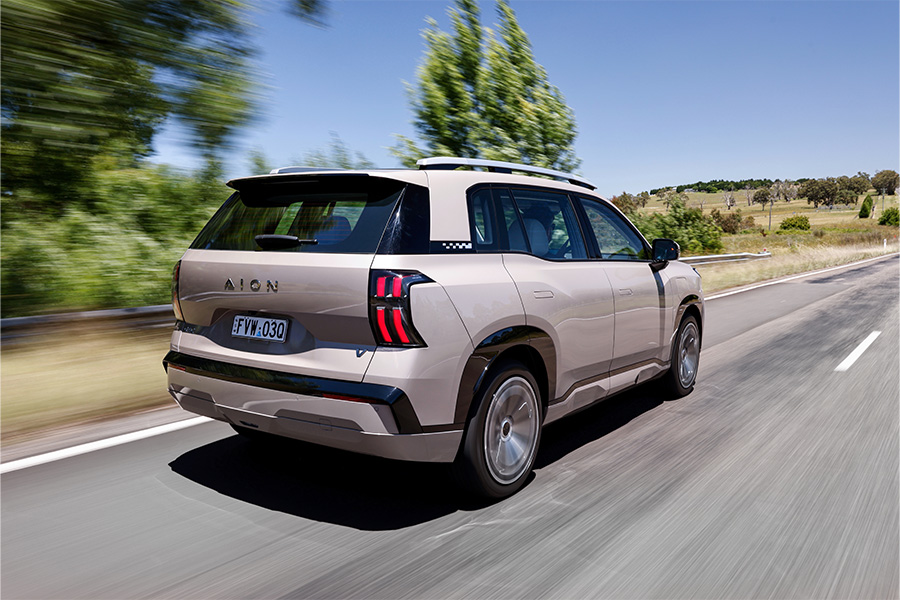
The brand’s (so far) three-model offering in Australia begins with the 2026 GAC Aion V all-electric mid-size SUV, taking aim at a segment that is becoming increasingly popular and competitively priced. Does it do enough to earn a place at the table?
How much does the 2026 GAC Aion V cost?
Not unlike its soon-to-be rivals, the 2026 GAC Aion V comes in a simplified two-tier range. Premium trim sets cost of entry at $42,590, with the range-topping Luxury closing at $44,590 before on-roads.
This places the Aion V squarely against electrified competitors including the Geely EX5 (from $40,990 to $44,990) and BYD Atto 3 (from $39,990 to $44,490).
The 2026 GAC Aion V is well served by an eight-year/unlimited-kilometre vehicle warranty, with its high-voltage battery covered for eight years/200,000km. Five years of roadside assistance is also thrown in for good measure.
While not going toe-to-toe in price wars, GAC is sweetening the deal further with a free 22kW home charger and $1000 cashback for buyers who order before 31 December 2025.
What is the 2026 GAC Aion V like inside?
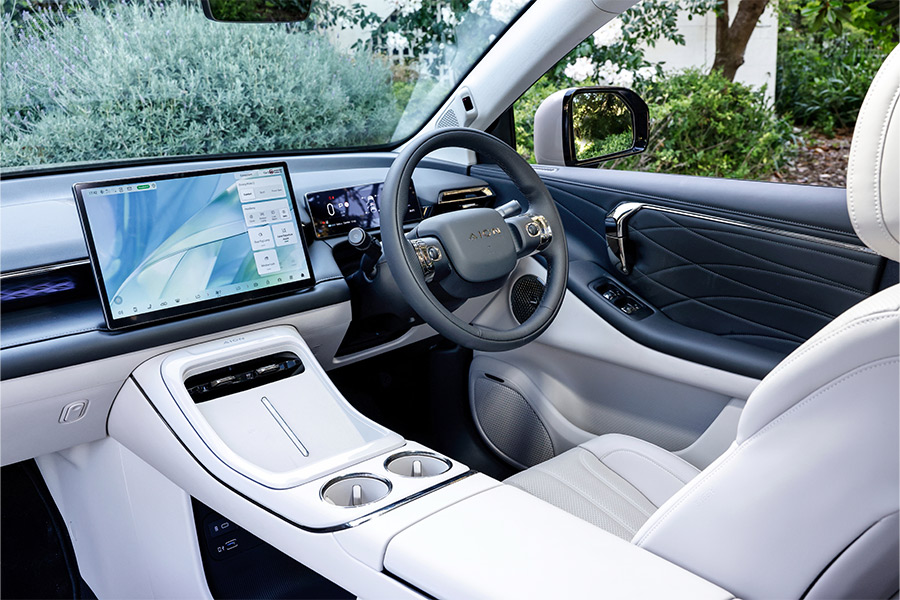
Despite being a tad generic, the 2026 GAC Aion V’s interior would have you hard pressed to find any real giveaway of its budget price.
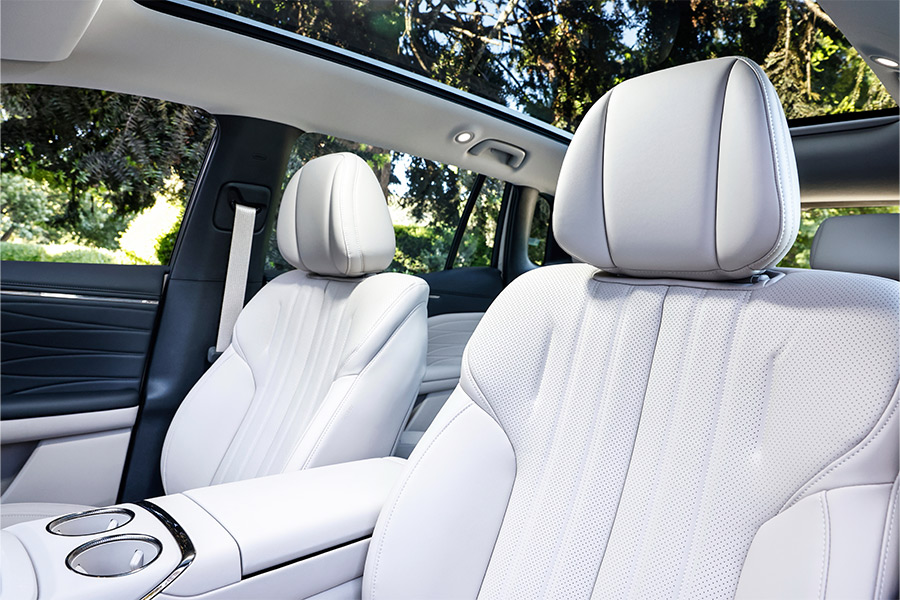
Both grades score plush synthetic leather all around, with the Luxury grade getting the real stuff accenting its front seats. Heating (front and rear), ventilation (just up front), memory and six-way electric adjustment for drivers (four for passengers) come as standard, with a massage function added in Luxury trim.
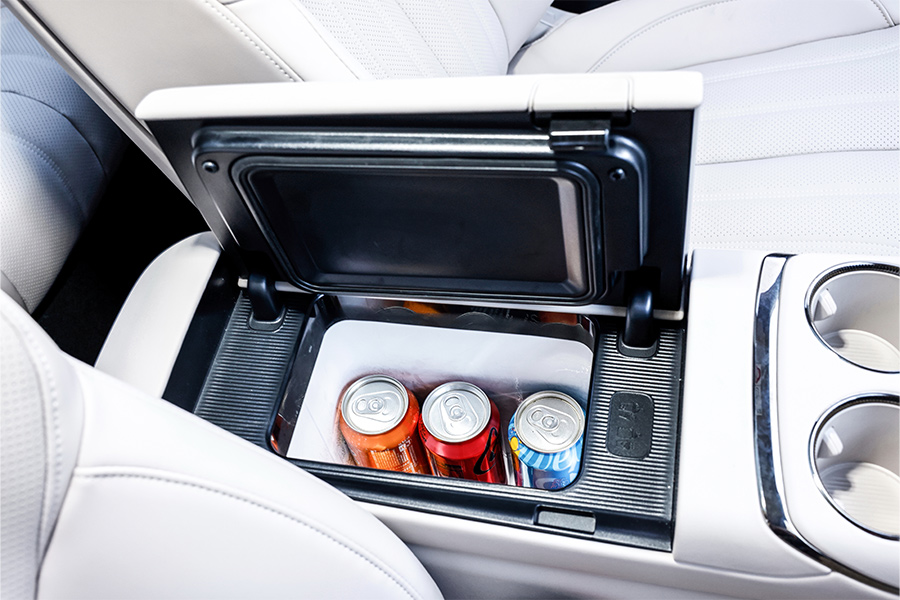
The centre console comes armed with large wireless phone charging pads as standard, while on Luxury variants a refrigerator, occupying the centre console and measuring 6.6 litres (the equivalent of 12 cans), can cool to -15°C or heat to 50°C.
The Aion V’s interior feels like a step-change in fit and finish compared to the likes of Geely and BYD. Here, its higher price point seems especially intentional, and the improvement in fit-out feels commensurate.
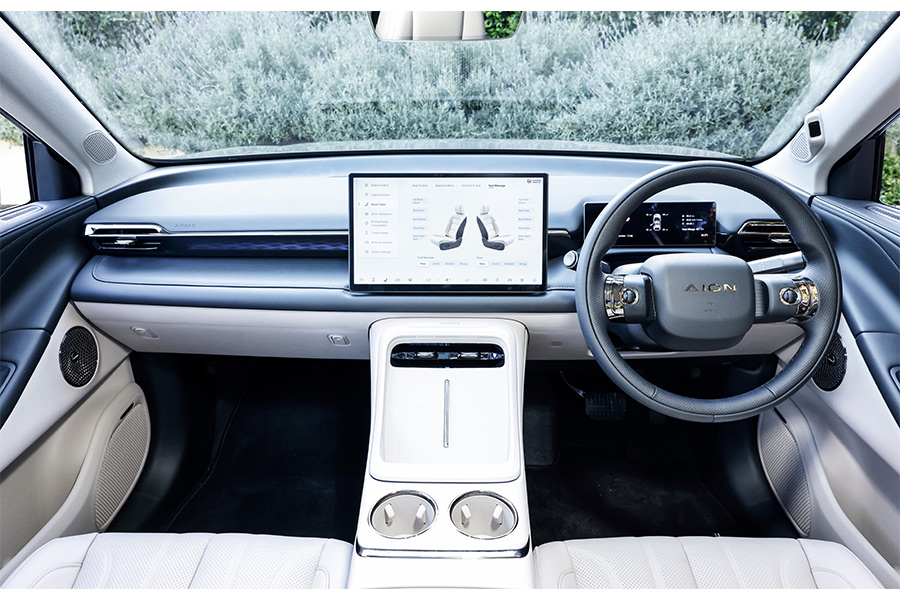
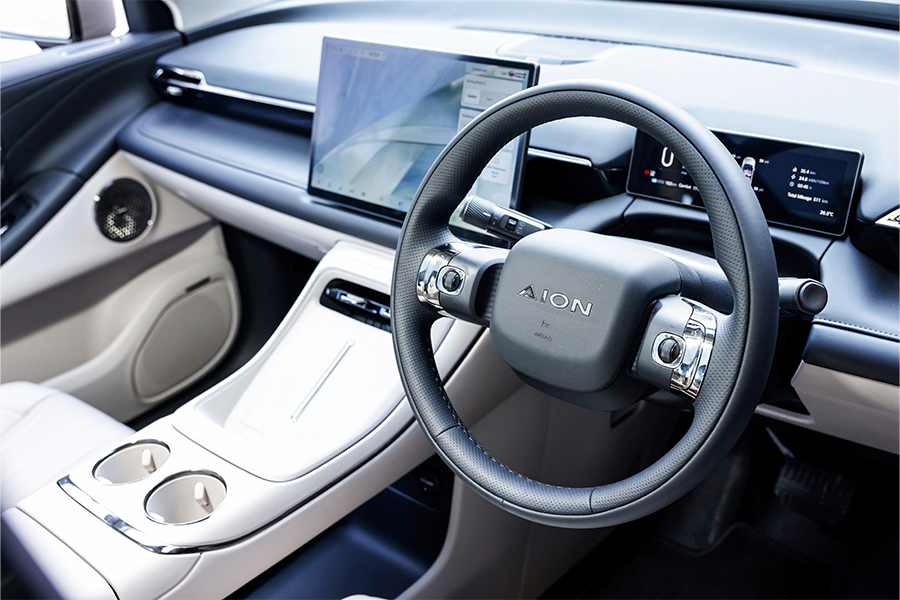
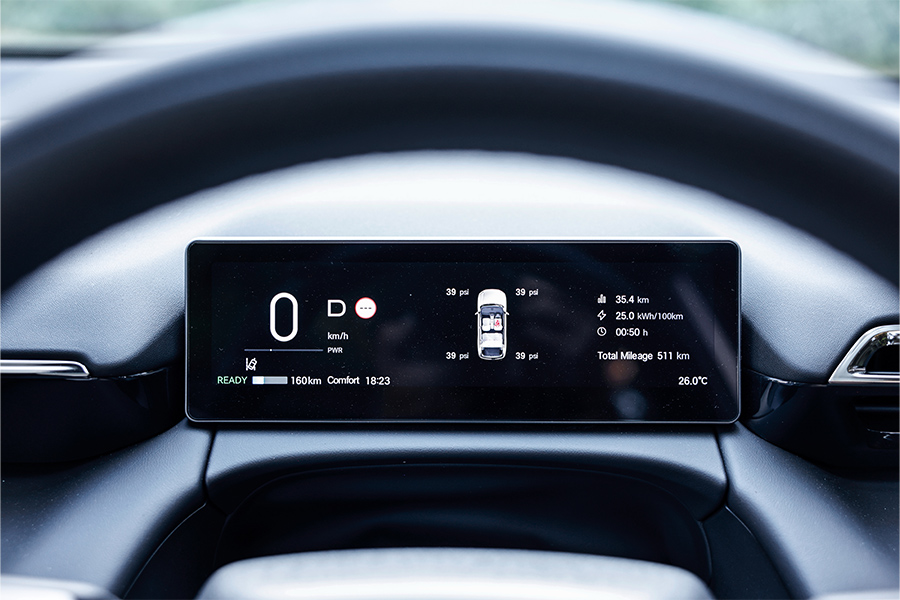
Android Auto and Apple CarPlay are projected wirelessly onto a large 14.6-inch centre touchscreen which has been well placed and angled towards the driver to suit a variety of seating positions. An 8.9-inch driver display gives crisp images and is controlled by two multi-function switches on the steering wheel.
Unfortunately, these steering wheel-mounted controls are about the only physical switchgear inside the Aion V (short of steering column stalks and seat and window adjustment). Way too many controls are housed within the centre touchscreen – including all HVAC – even down to adjustment for rear-vision mirrors. Brands like Polestar have already tried and subsequently moved on from this design practice, and for good reason.
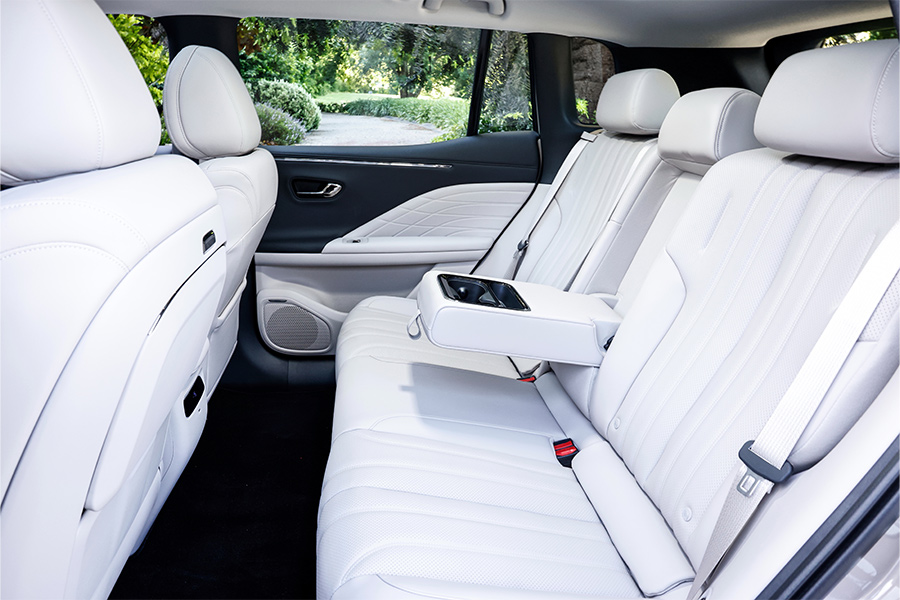
Screen menu dives aside, the Aion presents good ergonomics. Seat comfort in both rows and all five seats is great, with roominess in the rear exceptional – even if the Aion does exist at the bigger end of the mid-size segment.
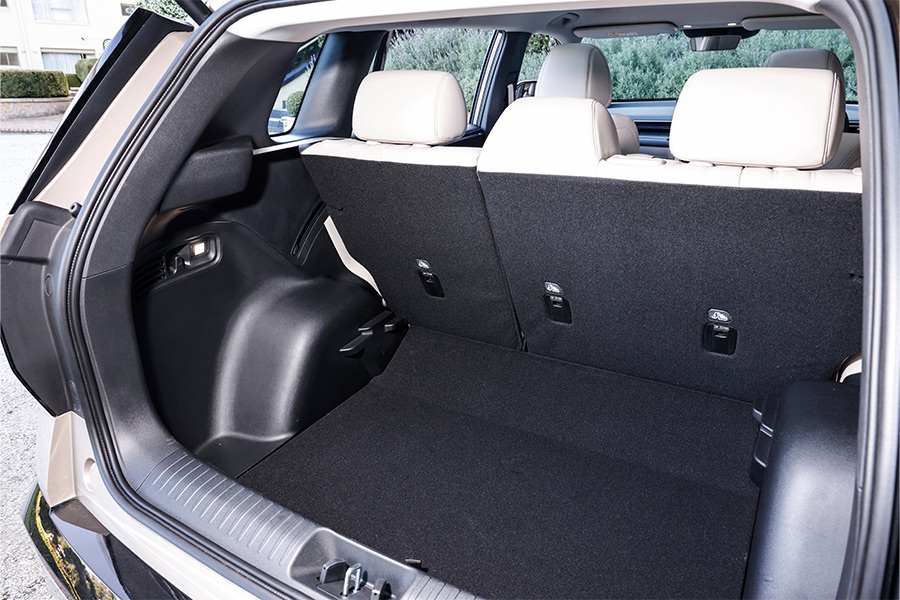
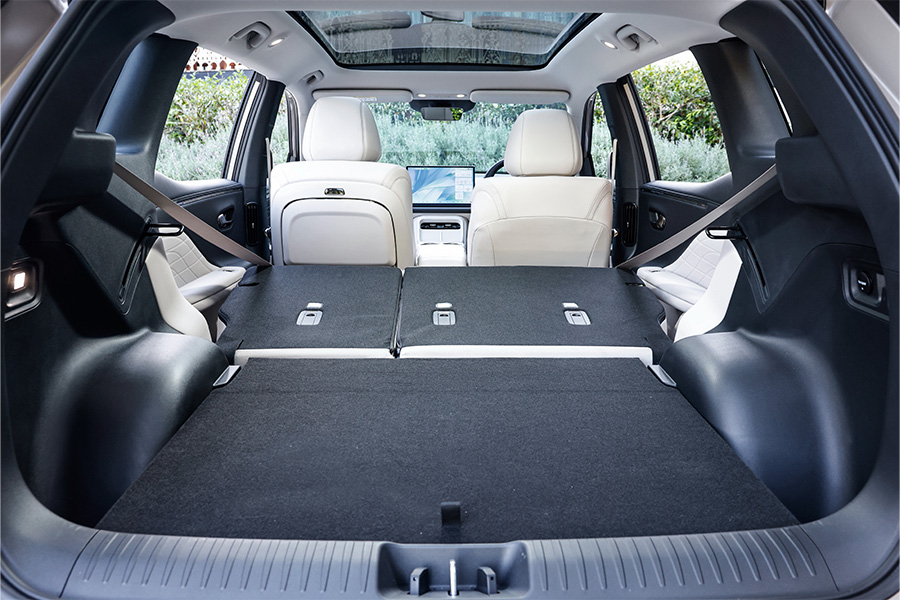
Front seats can fold completely flat, and the Aion V’s generous dimensions pay dividends in cargo space, with the Aion V packing a decent 427 litres of capacity, growing to 978 litres with seats folded.
What equipment does the 2026 GAC Aion V come with?
Further bolstering its still-lean sticker price compared to rivals is the 2026 GAC Aion V’s extensive list of standard equipment – the vast majority available on the entry-level variant.
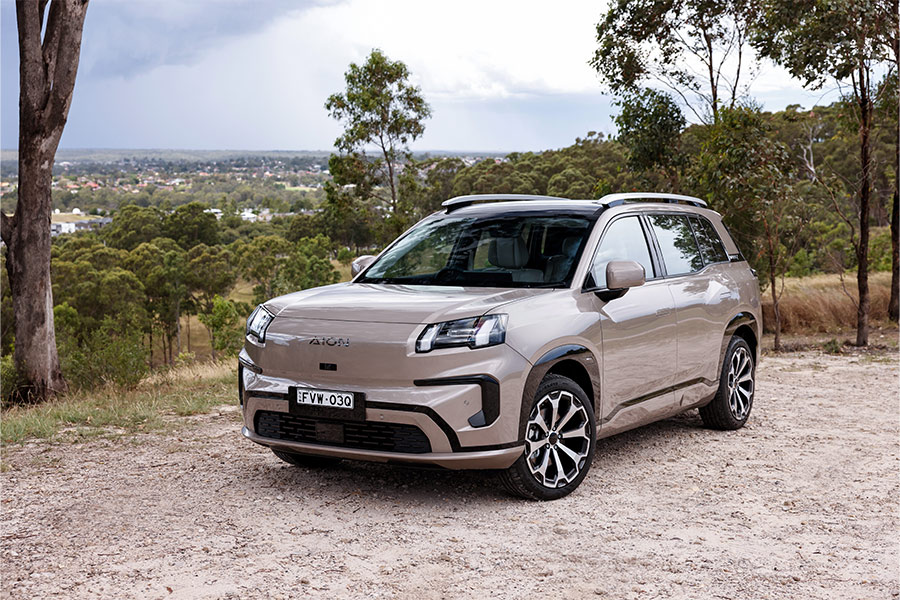
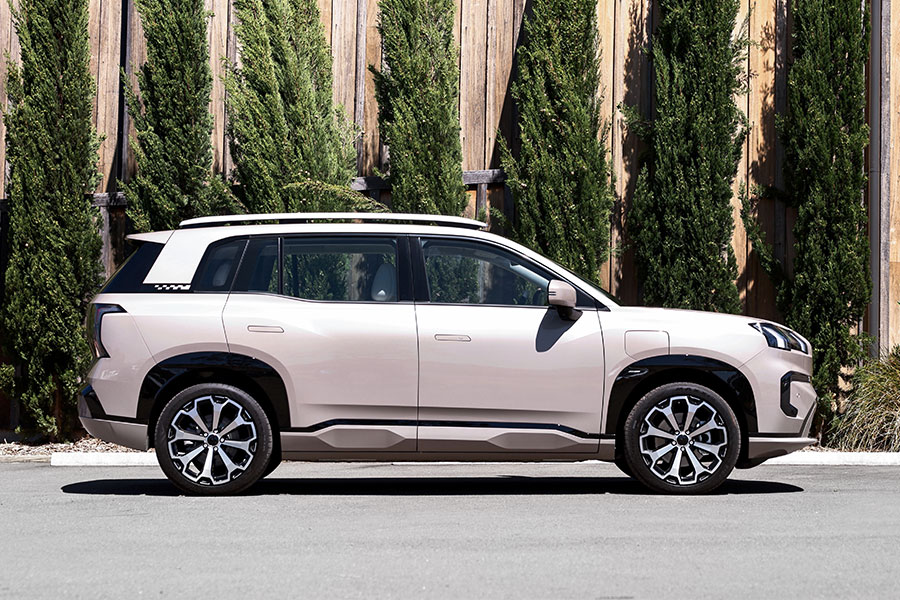
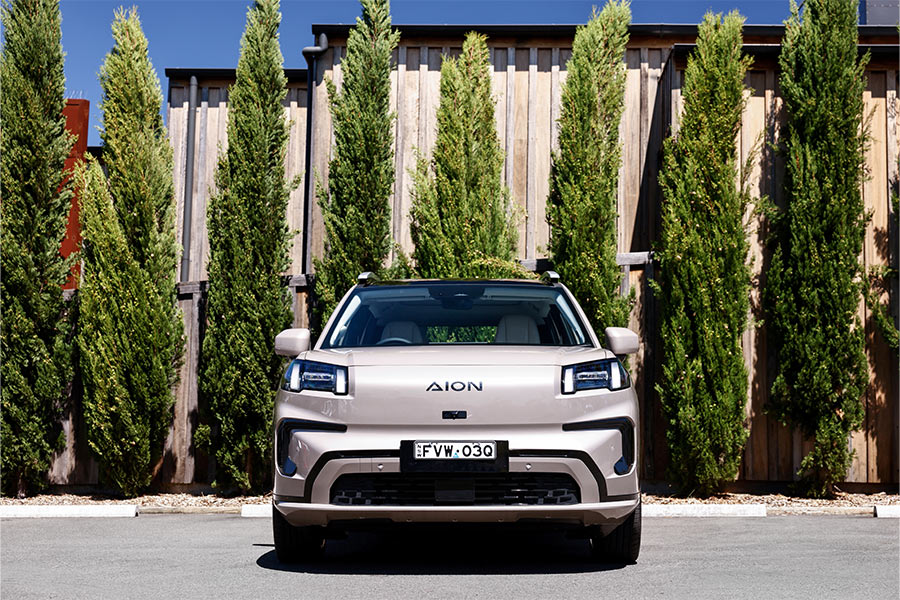
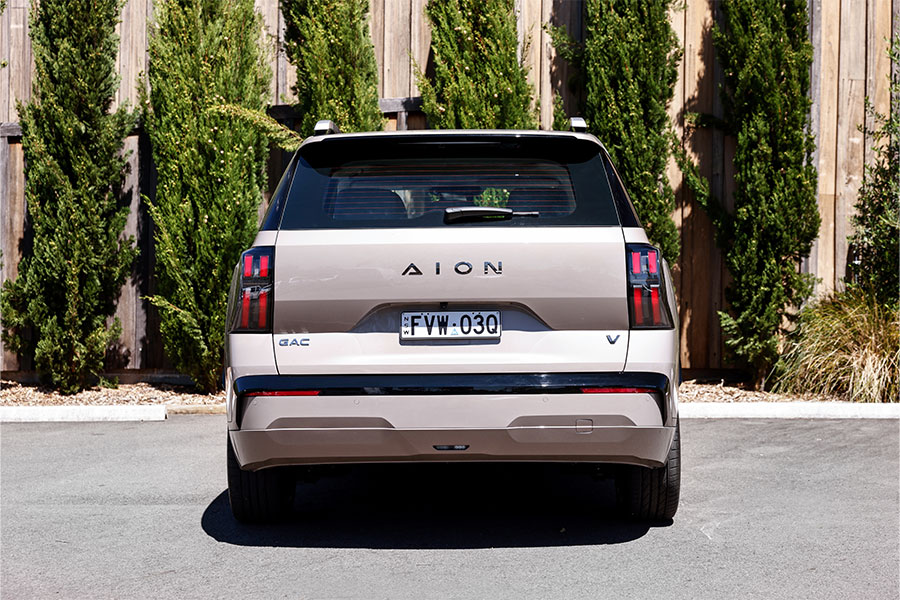
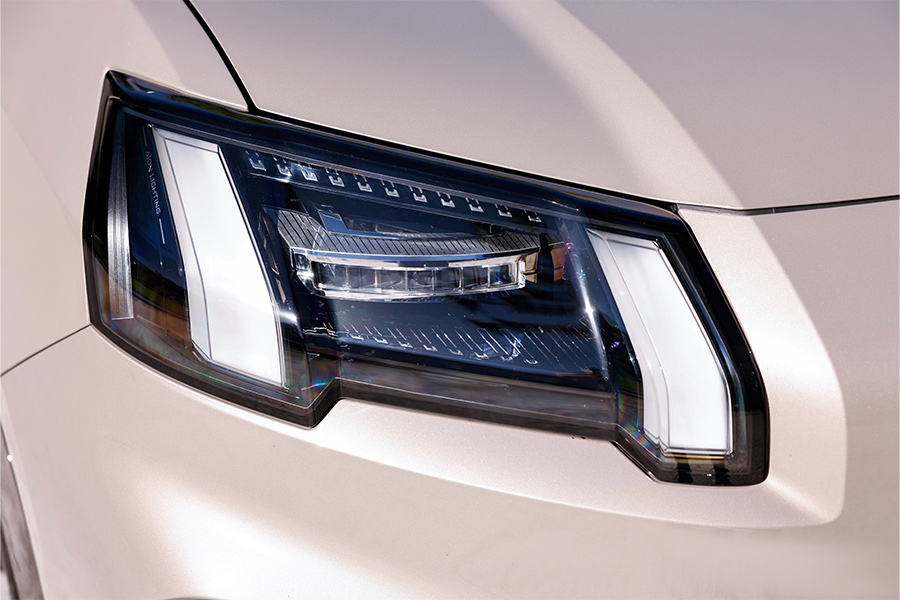
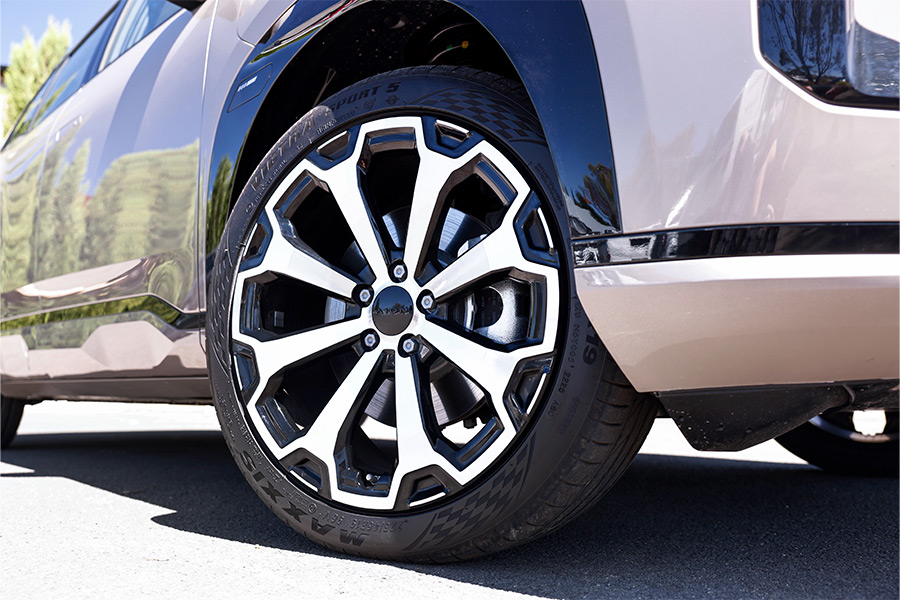
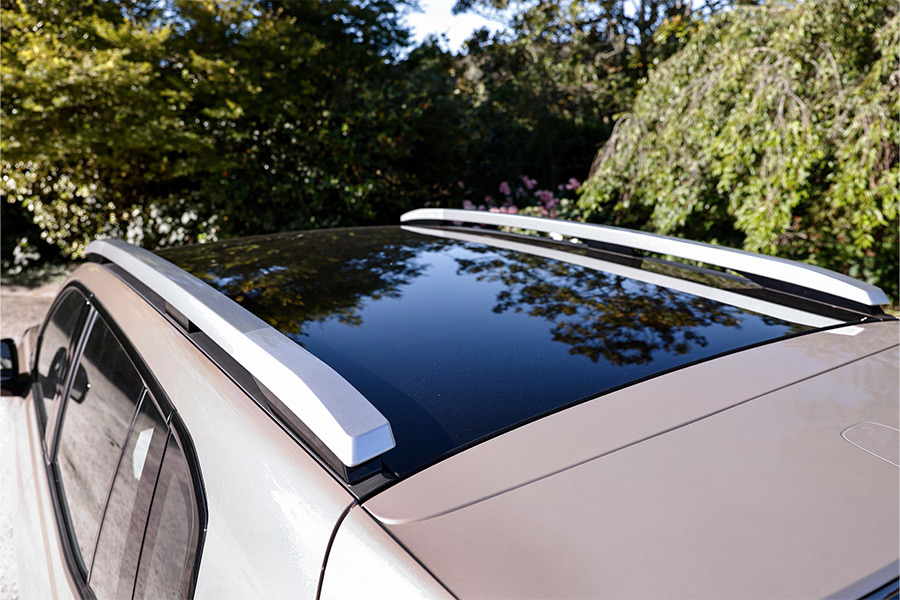
Automatic LED head and tail lights, 19-inch alloys, a panoramic sunroof with electric shade, and heated and folding side mirrors clad the outside of the Aion V.
Moving inside is where the only really appreciable difference between grades is evident.
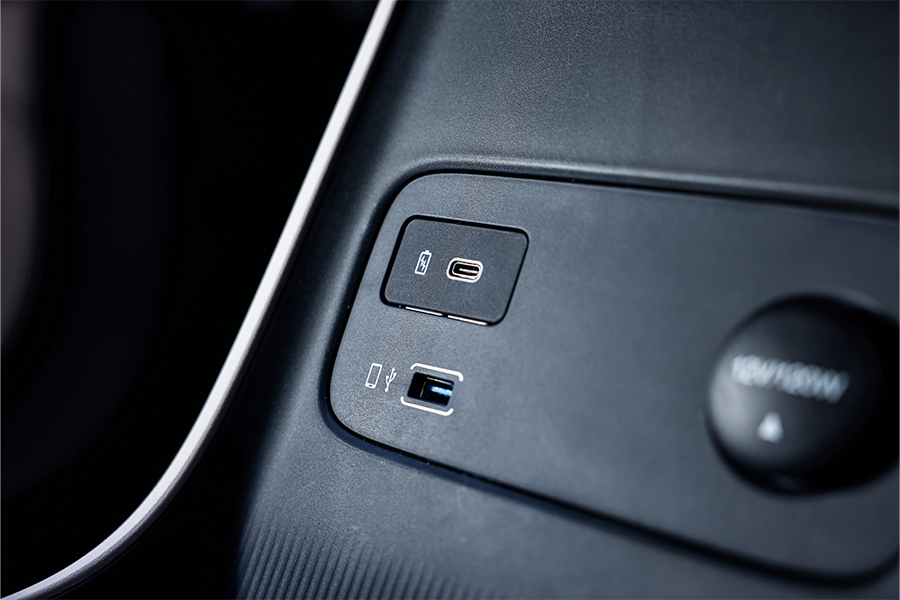
Both score acoustic glass up front, dual-zone air con, rear vents, a powered tailgate, ambient lighting, an assortment of USB-A and -C ports, and wireless phone charging. DAB radio, voice control, Bluetooth connectivity, a (pretty good) nine-speaker sound system, and online functionality (including maps and music).
The move to Luxury adds second-row tray tables, larger sun visors, that refrigerator mentioned above, and an uprated particulate sensor in the HVAC system inside.
How safe is the 2026 GAC Aion V?
ANCAP has not tested the 2026 GAC Aion V, but EuroNCAP awarded it a five safety rating.
Affirming its chances for a solid score locally, the 2026 GAC Aion V comes fitted with an assortment of airbags (including front centre and side curtain), hill descent control, seatbelt pre-tensioners front and rear, front and rear parking sensors and a 360-degree camera.
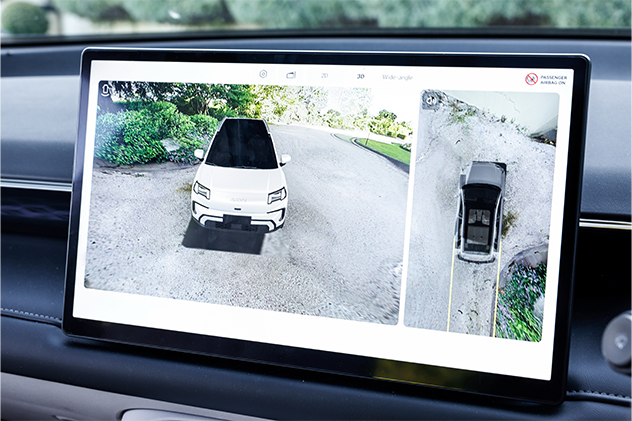
These are in addition to adaptive cruise control, automatic emergency braking (AEB), forward collision warning, traffic sign recognition, lane departure warning and prevention, emergency lane keep assistance, blind spot detection, door open warning, rear cross-traffic alert and a rear collision warning.
— Liam Murphy
What powers the 2026 GAC Aion V?
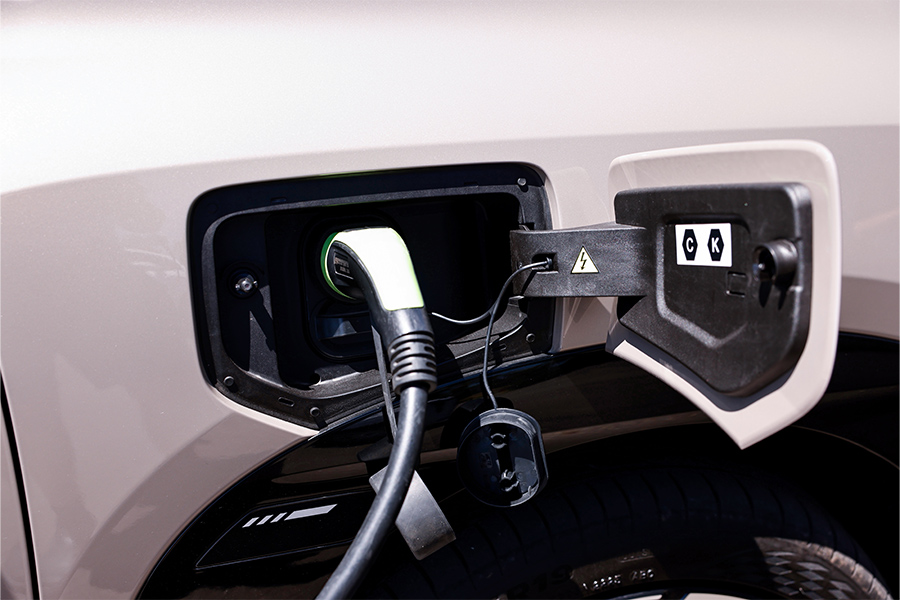
A single powertrain option is available for the 2026 GAC Aion V, comprising a 75kWh LFP battery, 400-volt architecture, and single electric motor driving the front wheels. Translated, this means a pretty advanced system for not a lot of coin.
Outputs are rated at a modest 150kW and 210Nm, although inputs are even more impressive with a max DC charge rate of 180kW. GAC claims that, at this charge rate, a decently large battery can go from 30 to 80 per cent of capacity in just 16 minutes. That’s especially impressive considering a claimed WLTP driving range of 510km.
Our test vehicle saw consumption as low as 13.6kWh/100km, indicating that 510km claim could be achievable in real-world driving.
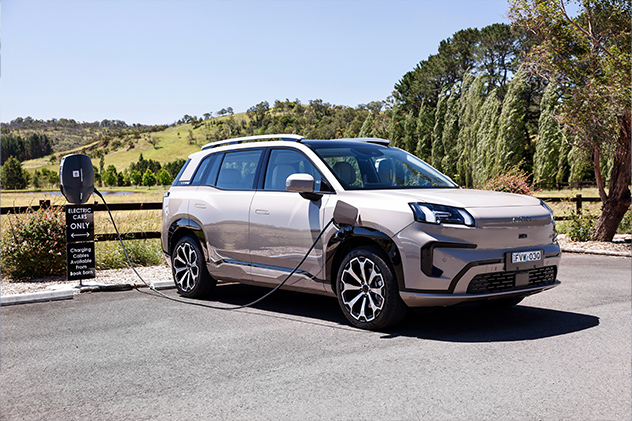
Vehicle-to-load (V2L) functionality comes as standard, with AC charging rated at 11kW – a tad confusing considering the promotional 22kW home charger on offer with the Aion V. Perhaps a hint of things to come?
What is the 2026 GAC Aion V like to drive?
The 2026 GAC Aion V feels accomplished out on the road, thanks (probably in no small part) to its past joint ventures mentioned earlier. Wind noise and overall sound insulation in the cabin is a strength, with audible tyre groan really only noticeable at speed on coarse back-country roads.
As has been the way with many newer (and some not-so-new) Chinese entrants to our market, active and passive safety has been questionably implemented. The number of bings and bongs in the Aion V, from the plethora of indiscretions it assumes drivers are committing at any given time, eventually sounds like someone is learning to play the xylophone in the cabin.
Lane-keeping technology is also equally overzealous, getting caught up multiple times on our test route and feeding in a strong tug of the wheel at seemingly random times – generally steering you towards danger, not away from it.
While the Aion V’s battery and other technologies might be cutting-edge, it still rides on a torsion beam rear suspension. This means each rear wheel’s suspension cannot move independently, resulting in some lost composure and comfort when really asked to work over larger bumps and undulations.
Additionally, the driving position is very high, adding to a sense of wobble at higher speeds, but the pay-off comes as good visibility in all directions.
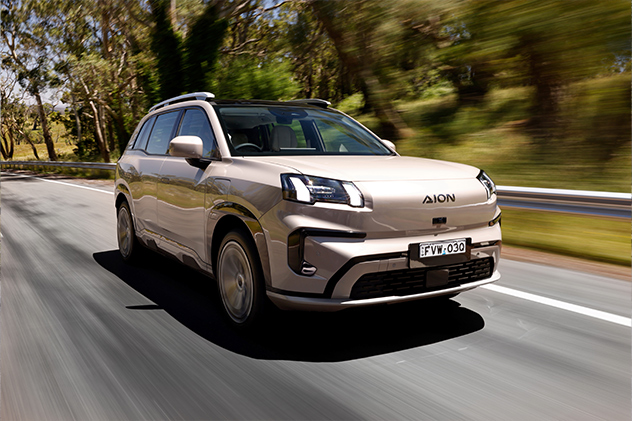
On better road surfaces, however, the Aion V performs well – with a fast steering rack providing decent feedback and going a long way to making it feel nimbler than it really is. Power, and especially torque, outputs also feel underrated, the Aion V accelerating to highway speeds with an effortless push. Brake feel is also smooth and confidence-inspiring, with no jerkiness when the Aion V switches into regeneration mode to recharge the battery.
Overall ergonomics are sound; our one small gripe was centre cupholders that always seemed to have a drink in the way of an elbow, no matter how small the cup.
We also tested the Aion V on pretty warm days and found the air conditioning to be ill-equipped to handle Australian heat, with an automatic setting left blasting at near-full fan speed for hours while chasing an elusive 21°C target.
The Open Road’s take on the 2026 GAC Aion V
It’s easy to lump all modern – especially Chinese – electric mid-size SUVs into one pile and call it a day. A somewhat ‘copy and paste’ attitude to interior styling and infotainment only makes this assumption easier.
The 2026 GAC Aion V bucks the trend in an interesting way, with a seemingly complete disinterest in being baited into price-cut wars. It costs more than some of its rivals, but it also offers more car and unapologetically asks buyers to pay for it.
If you’re after the cheapest electric SUV on the market, the 2026 GAC Aion V isn’t it. But if your budget can stretch a bit for that next rung of quality, you’d best be booking a test drive.
Pros: interior fit and finish; driving range; cabin insulation
Cons: punitive safety systems; on-screen adjustments; not enough extra fruit in top-spec


