EV charging etiquette

Rising petrol prices and the proliferation of more cheap EVs on the Australian market is seeing increased interest in EVs. While most EV drivers will charge their cars overnight at home for the daily commute, many will inevitably lean on the public charging network, particularly when going on an electric road trip.
The NRMA fast charging network has been rolled out to support EV drivers on long distance and regional road trips, ensuring no one is left behind in an electric future. However, this can mean that during holiday periods, the greater demand can result in waiting times.
Until EV chargers are as ubiquitous as petrol stations, here's some ways to reduce demand at EV chargers and keep things cool.
Five golden rules for EV charging etiquette
1. Only charge to 80 per cent unless more range is absolutely needed
The charge time in EVs slows down considerably between 80 and 100 per cent State of Charge (SoC). Think of it as finding a seat in a full movie theatre - the more people are already seated, the more time it takes to find a seat.
At busy DC fast charging stations, consider other EV drivers by only charging to 80 per cent unless you absolutely need the extra range. Some EV manufacturers also recommend keeping your vehicle charged between 20 and 80 per cent for certain battery chemistries.
But the fact remains that if you need to recharge your EV to 100 per cent, you are well within your rights. This is especially true for road trips in country areas where you need to have as much range as you can for the next leg of the journey, which is hardly something other EV drivers should hold against you.
2. Don’t camp
At the top of any list of lapses in EV charging etiquette would have to be drivers who leave their EV unattended on charge for longer than they need to. This is sometimes referred to as ‘camping’ and is a source of great frustration for other EV drivers waiting to use the charger.
It’s important to be aware of what type of charger you’re using and how long it will take to charge your vehicle. Note, the NRMA EV Network now has idle fees once charging stops. The fee is $1 per minute after a 10-minute grace period.
Public chargers are usually ‘Level 2’ or ‘Level 3’ chargers. Level 2 are AC (Alternating Current) ‘wall box’ charge points typically found at shopping centre, university or hotel carparks and will deliver around 40–100km of charge per hour. Level 3, such as the NRMA’s network, are DC (Direct Current) fast chargers that will deliver around 70km range for every 10 minutes of charge time. Read on for how long it takes to charge an EV.
While it’s perfectly acceptable to leave your vehicle on the charger while you go grab a coffee or quick bite to eat, it’s recommended you download and use the smartphone apps PlugShare and NeedToCharge that will allow other drivers to contact you should they need to check how long you’ll be. This is the best way to prevent any grumbles from those waiting in line on your return.
3. Look after the charger
It’s common sense and courtesy to leave the charger in the condition you found it. Hang up the cord when you’re done to reduce the chance of it being run over and damaged.
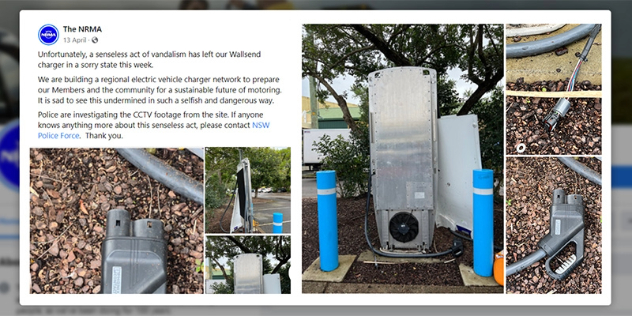
If the unit is impaired, it’s helpful to report it to the NRMA or other charging operator as soon as possible. And don’t leave rubbish behind or attach any notices to the charger.
4. Don’t park non-electric vehicles at EV chargers
This practice is called ‘ICEing’ and refers to internal combustion engine (ICE) vehicles that park in a specially marked EV charging spot. Parking an ICE vehicle in an EV charging spot is the same as an EV blocking a fuel pump.
Nobody wants to be inconvenienced, least of all when trying to refuel or recharge to get to where you are going. And, since EV infrastructure is still growing, these EV charging spots need to be accessible for EV owners at all times.
However, if an ICE vehicle is parked in an EV charging spot, it's important to remember the owner may not realise this. And, they may not know that blocking EV chargers can attract a hefty fine. EVs that are parked in an EV charging spot, but are not charging, can also attract a fine.

Ideally, try speaking to the owner of a vehicle and asking them to move if it is blocking a charger. If that doesn't work, you can use the Snap Send Solve website to report misuse of an EV charging bay. If it is an NRMA charger, you can also call 1300 233 544 with the details. Note however, in privately owned carparks it is up to management to ask council rangers to implement fines.
Visit here for a full list of fines for blocking EV chargers.
5. Avoid being short-tempered or rude
Even if another driver has breached EV charging etiquette in your eyes, it is important to keep your cool. Don’t be tempted to leave angry notes on windscreens, yell at other drivers or try to unplug their unattended vehicles from the charger (although we haven’t met an EV that will let you unplug while charging).
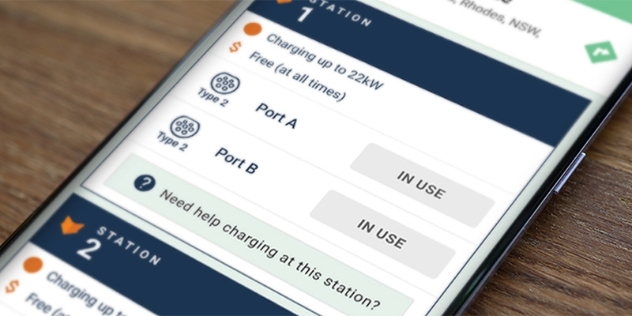
Planning your EV charging ahead of time will help reduce your stress levels. Different chargers can have their own smartphone apps, such as Chargefox, which will show you charging locations and whether they’re currently in use. It’s also a clever idea to always use your second-last charging location preference so you’ll have a back-up if there’s a problem.
Learn more about EVs.