Six easy steps to replace your windscreen wipers

Windscreen wiper blades play an important role in keeping your windscreen clear and your vision sharp, particularly when driving in rain. If your wipers leave streaks, make squeaking or chattering noises, or fail to clear water effectively, it may be time to replace them.
You can usually replace the rubber wiper blade inserts or the complete wiper blades, depending on the type of wipers fitted to your car and the condition of the components. Replacement wiper blades are available from automotive retailers, including Repco, where NRMA Members save on select products.
Follow these steps to learn how to change your car’s windscreen wiper blades safely and correctly.
1. Choose the right replacement wiper blades
Before buying new windscreen wiper blades, check your vehicle’s owner’s manual or use an automotive retailer’s vehicle application guide to find the correct fit. Wiper blades can differ in length, attachment type and design, and the driver’s and passenger’s side blades may be different sizes.
You can choose between conventional frame-style, beam-style and hybrid wiper blades. Some vehicles also allow you to replace just the rubber insert, while others require the complete blade assembly.
When choosing replacement wiper blades, make sure they:
- Match your vehicle’s recommended blade lengths.
- Have the correct attachment or connector for your wiper arms.
- Are designed for your vehicle and local driving conditions.
- Are suitable for your front or rear windscreen, where applicable.
If you’re unsure which wiper blades to buy, ask a retail assistant for help or enter your vehicle’s registration on a major automotive retailer’s website, such as Repco, to find compatible products for your car.
2. Lift the wiper arms away from the windscreen
Park your car on level ground, switch off the ignition and make sure the wipers are in their normal resting position. Lift each wiper arm carefully away from the glass, if your vehicle’s design allows it.
Some modern cars have concealed wipers or require a specific wiper service mode to lift the arms safely. Check your owner’s manual before attempting to move these wipers.
Important: Wiper arms are spring-loaded. If an arm snaps back onto the windscreen without a blade attached, it can crack or damage the glass. Keep the arm secure and consider placing a folded towel on the windscreen beneath it for extra protection.
3. Remove the old wiper blades
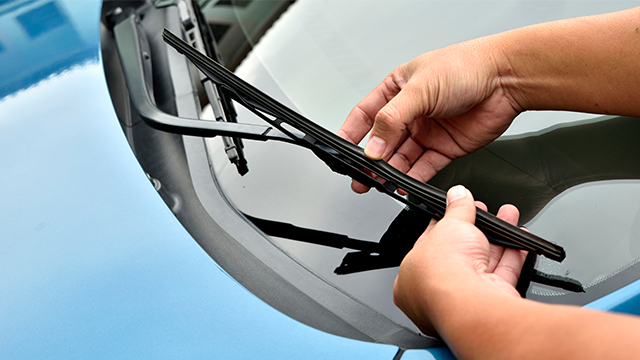
Locate the connector that secures each blade to its wiper arm. Depending on the design, you may need to press a release tab, squeeze a clip or slide the blade out of its mounting point.
Follow the removal instructions for your specific blade type and avoid forcing the connector. If it won’t release easily, check the replacement blade manufacturer's instructions before proceeding.
Once the old blade is removed, keep the bare wiper arm away from the glass until the new blade is securely fitted.
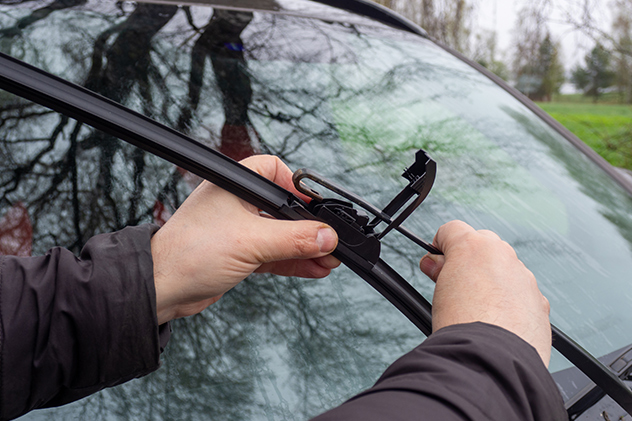
Some replacement blades slide out of the holder rather than unclipping. Check the connector before removing the old blade, and never force it.
4. Fit the new wiper blades
Align the new blade’s connector with the wiper arm and slide or clip it into place according to the manufacturer's instructions. You should hear or feel the locking mechanism engage on many blade designs.
Before moving on, check that:
- The blade is the correct length for that side of the windscreen.
- The connector is fully engaged and securely locked.
- The blade sits straight and moves freely at the joint.
- Any protective cover or sleeve on the new rubber has been removed.
Never assume the blade is secure simply because it appears to fit. An incorrectly fitted blade can detach during use, reducing visibility and potentially damaging your windscreen.
If you are replacing a rubber insert rather than the complete blade, follow the manufacturer's instructions for that specific product. Some inserts need to be trimmed to length, but many replacement blades are supplied ready to fit. Only trim a blade if the manufacturer specifies that it is necessary.
5. Lower the wiper arms carefully
Once the new blades are fitted, gently lower each wiper arm back onto the windscreen. Do not let the arms spring back against the glass.
Check that both blades sit correctly against the windscreen and that no part of the blade or connector appears loose.
If your vehicle has a rear wiper, follow the same general process using the correct rear wiper blade and attachment method.
6. Test your new wiper blades
Before driving, check that your windscreen washer reservoir contains an appropriate windscreen washer fluid. Top it up if necessary, following your vehicle manufacturer's recommendations.
Spray washer fluid onto the windscreen, then operate the wipers to check that they move smoothly and clear the glass effectively.
Look for streaking, missed areas, juddering or unusual noises. If the blades do not perform properly, check that they are fitted correctly, that any protective covering has been removed and that the windscreen is clean. Persistent problems may indicate an unsuitable blade, a worn wiper arm or another issue that needs attention.
Important: Never test your wipers on a dry windscreen. The friction can wear the rubber and potentially scratch the glass.
When should you replace your windscreen wiper blades?
There is no single replacement interval that suits every vehicle or driving condition. As a general guide, inspect your wiper blades regularly and replace them when they show signs of wear or stop clearing the windscreen effectively.
Common signs that your wiper blades need replacing include:
- Streaking: Water remains in lines or patches after the wipers pass.
- Squeaking or chattering: The blades make persistent noises or judder across the glass.
- Damaged rubber: The blade edges are split, cracked, torn or hardened.
- Poor visibility: The wipers leave areas of water that obstruct your view, particularly in heavy rain.
Heat, sunlight, dust and frequent use can accelerate wear. Cleaning the windscreen and wiping the rubber edges gently with a damp cloth can help remove accumulated grime, but cleaning will not repair damaged or deteriorated rubber.
If new blades still leave streaks, inspect the windscreen for residue or damage and check the wiper arms for signs of wear or uneven pressure.
Keep your windscreen clear with My NRMA Rewards
Working windscreen wipers are essential for safe driving in wet weather. Choosing the correct replacement blades and fitting them properly can help maintain clear visibility when conditions change.
Find suitable replacement products through Repco, where My NRMA Rewards Members save on select products.