
How to prepare your car for a road trip
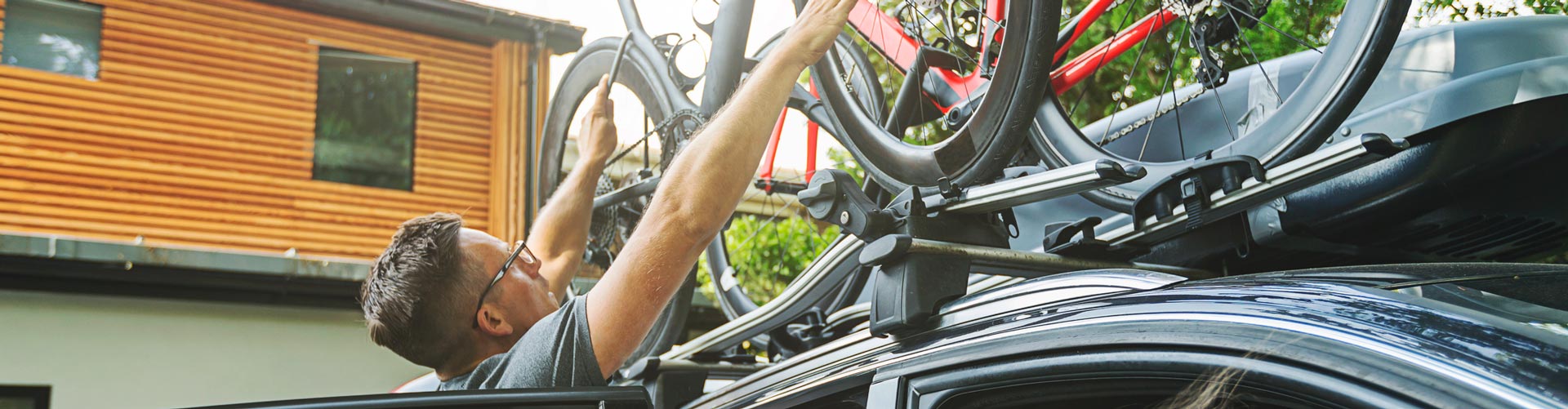
A little preparation can make a big difference to your next road trip. Before setting off on a long drive, it’s important to check your car is safe, reliable and ready for the journey.
Booking accommodation and researching places to visit are important parts of holiday planning, but preparing your vehicle deserves a spot on your checklist, too.
Long-distance driving puts additional demands on your car. Issues that might go unnoticed during short trips around town can become more serious when driving at sustained highway speeds. This is especially important if your vehicle spends most of its time parked in the garage.
Before you leave, check your car's service schedule and book a service if one is due. You can also complete several basic vehicle safety checks yourself. And to help manage fuel and ev charging costs along the way, download the My NRMA app to find locations to fill up or charge.
Use this pre-trip car safety checklist to help prepare your vehicle for a safer, more enjoyable journey.
1. Check your tyres and tyre pressure
Your tyres are essential for safe braking, steering and road grip. Before a road trip, inspect all four tyres for excessive or uneven tread wear, cuts, bulges and embedded objects such as nails that could cause a puncture.
Check your tyre pressure when the tyres are cold and adjust it to the vehicle manufacturer's recommended settings. You can usually find these in your owner's manual or on the tyre placard inside the driver's door opening.
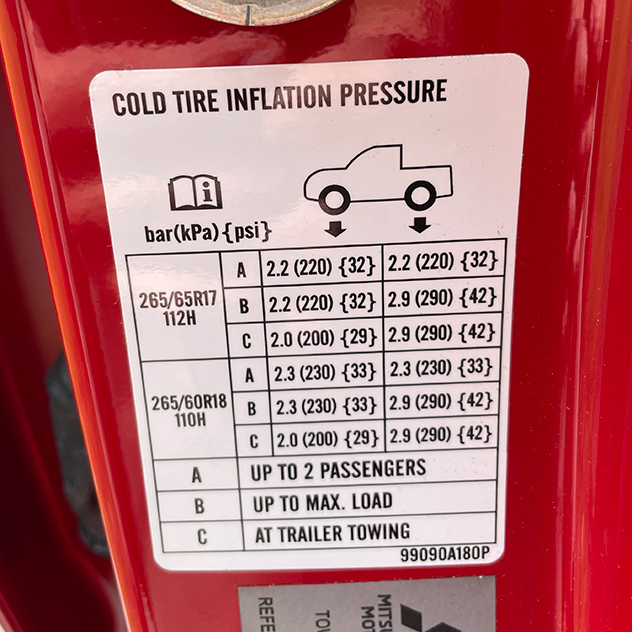
Don't forget to check your spare tyre, if your vehicle has one. Make sure it's in good condition and inflated to the recommended pressure so it's ready if you need it.
If your tyres are badly worn, damaged or losing pressure, have them checked by a tyre professional before travelling.
2. Check engine oil and other essential fluids
Checking your car's fluid levels is an important part of preparing for a long drive. Before leaving home, check the:
- Engine oil: Check the level according to your owner's manual and top up if required.
- Engine coolant: Check the coolant reservoir when the engine is cold. Never remove a hot radiator cap.
- Windscreen washer fluid: Make sure the reservoir is full so you can clean away dust, dirt and insects while driving.
Follow the manufacturer's instructions for checking and topping up fluids. If you need to add coolant more frequently than usual, or notice any unexplained fluid leaks, arrange an inspection with a qualified mechanic before your trip.
Find more advice on checking engine oil and coolant.
3. Test your headlights, brake lights and indicators
Working car lights help you see the road and make your vehicle visible to other road users. Check your headlights, tail lights, brake lights and indicators before setting off.
With your vehicle safely parked, switch on the headlights and indicators, then walk around the car to check that each light works. Ask someone to help you check the brake lights, or use a safe reflective surface to confirm they're illuminating.
Replace any blown bulbs and have electrical faults repaired before your journey. Check your lights again if you'll be driving at night or in poor weather.
4. Clean your windscreen and check your wiper blades
A clean windscreen and working wipers are essential for good visibility, particularly during night driving, rain and long highway journeys.
Clean your windscreen inside and out to remove dirt, road grime and streaks that can cause glare. Check that the washer reservoir is full and test your wipers to make sure they clear water effectively.
Inspect the blades for cracks, damage or signs of wear. If your wipers squeak, skip across the glass or leave streaks behind, clean them and replace worn blades if necessary.
RELATED: Steps to replace your windscreen wipers
5. Check your brakes before a long drive
Your brakes need to be in good working order before any road trip. Pay attention to warning signs such as squealing, grinding, unusual vibrations or changes in how the brake pedal feels.
A spongy brake pedal can indicate a problem with the braking system, including a possible brake fluid leak. Don't assume topping up the fluid will fix the issue.
If you notice unusual brake noises, a warning light or a change in braking performance, have your vehicle professionally inspected before travelling. If the brakes feel unsafe, don't drive the vehicle to a workshop; arrange appropriate assistance.
6. Check your roadside assistance cover
Even a well-maintained car can experience a flat tyre, battery failure or mechanical breakdown. Before leaving, check that your roadside assistance membership is current and that your level of cover suits your travel plans.
If you're planning a long-distance road trip, travelling to remote areas or towing a caravan, review the terms of your cover before departure. Check any distance limits, vehicle eligibility requirements and inclusions that could affect your journey.
Knowing what assistance is available can give you greater confidence if something goes wrong on the road.
Final road trip car checklist
Before you leave, make sure you've ticked off these essential checks:
- Check tyre condition, tread and pressure, including the spare.
- Check engine oil, coolant and windscreen washer fluid.
- Test headlights, tail lights, brake lights and indicators.
- Clean the windscreen and inspect the wiper blades.
- Look out for unusual brake noises or changes in braking peformance.
- Confirm your car's service is up to date.
- Check your roadside assistance cover
- Download the My NRMA app to help find and compare fuel prices.
A few simple checks before departure can help you identify potential problems before they interrupt your holiday. If anything looks, sounds or feels unusual, have it checked by a qualified mechanic before setting off.
Prepare your car, plan your route and enjoy the journey.


