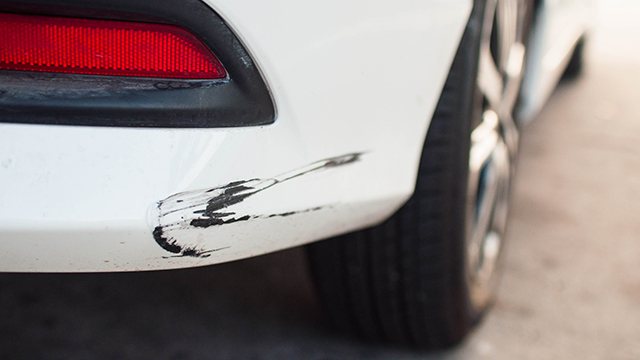
Chipped paint on your new car?

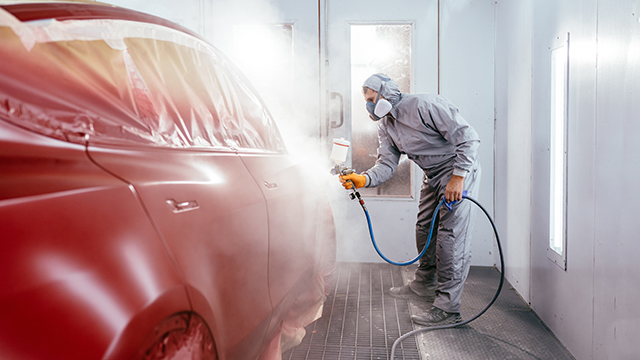
New car paints are thinner and weaker, making them more susceptible to stone chips and scratches during everyday driving, an Open Road investigation has revealed.
Over the past five years, there has been an increase in the number of new-car owners going online to complain that the paintwork has chipped, often down to the primer or even the metal.
Not surprisingly, the manufacturers Open Road contacted downplayed concerns and all declined to comment on the record.
A spokesperson for one major manufacturer said, “There hasn’t been any increase in claims for paint. Aside from the odd thing here or there, they are relatively low”; while another said, “Nothing much has changed. In fact, if anything, with new technologies [like pearlescent] the paint should actually be longer lasting.”
Owners aren’t imagining it
But people who have bought cars in more recent years are not imagining this problem, according to Jason Steporowski, general manager of membership and sales at the Motor Traders Association (MTA) NSW.
“Complaints from new-car owners that stone chips and scratches occur more easily are valid,” he said. “Both consumers and repairers across Australia have noted that modern vehicle paint finishes tend to be thinner and ‘softer’ than in the past, making them more prone to marking.”
This has led to an increase in owners seeking paint protection products soon after purchase, he said. Body repairers in NSW and the ACT have noted that modern ‘clear-coated’ finishes mark more easily and chips expose primer/metal faster, leading to rust risk if untreated.

Why are new car paints weaker?
What, then, has brought about less durable automotive paint? Environmental concerns have played a role.
“Environmental regulations are a significant factor, as global and Australian standards have pushed manufacturers to adopt low-VOC [volatile organic compound], waterborne paints over the past two decades,” said Mr Steporowski.
“These paints are less robust than older solvent-based systems, which contributes to the perception of weaker paint durability. While regulations have improved environmental outcomes, they have reduced resistance to stone chips and scratches.”
RELATED: How to fix scratches, dents and imperfections in your car’s paint
Carmakers seeking to cut production costs may also be a factor. According to Mr Steporowski, manufacturers now apply thinner coats to save money and improve production efficiency, often resulting in 30 to 40 per cent reduction in total paint thickness compared to older vehicles.
Dan Maher, director at L&M Smash Repairs, agrees. “Lower film build has become more common, which is a side effect of reducing manufacturing costs – less paint means less protection, and less protection means more chips. Additionally, there are more cars on the road now, which equals more congestion. More congestion means more stone chips are inevitable.”
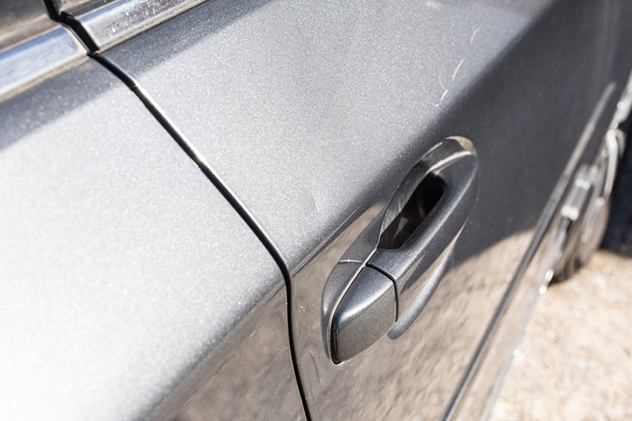
Weaker paints, stronger ethics
While acknowledging that old solvent-based paints were more hard-wearing, Mr Maher said the carmaking industry’s move to more environmentally friendly water-based paints was the ethical choice.
“I believe that we as an industry have decided the planet’s overall well-being is more important than incrementally tougher automotive paint. If the environment was not a factor, solvent paints would 100 per cent still be the preferred hypothetical choice when it comes to overall cost, application and finish.”
Other factors leading to more frequent paint damage include styling choices such as sharp lines, larger exposed panels, and dark colours. “Combined with Australia’s harsh UV exposure and coarse road surfaces, this has amplified the issue for local drivers,” said Mr Steporowski.
Check paint before delivery
Stephen O’Sullivan, senior manager at the National Technical Services Unit, agreed that “paint quality has generally declined over the years” and urged customers to carefully inspect a new vehicle during the handover.
“The excitement of picking up a new car can easily overshadow the finer details, but take a moment to examine the paintwork in natural light before driving away. Vehicles often travel long distances from the factory to the dealership – via ships, holding yards, and highways – exposing them to road debris and stone chips. These imperfections can be missed during pre-delivery inspections and detailing. So, once the big bow comes off, step outside and give the paint a thorough once-over.”
Paint care is essential
What else can be done to help preserve a car’s paintwork? Mr O’Sullivan said regular washing and polishing are key. “Promptly removing bird droppings or tree sap reduces the need for heavy scrubbing, which can damage the clear coat or paint. Always use soft cloths or non-abrasive sponges to avoid introducing swirl marks or scratches. A regular polish helps restore gloss and adds a layer of protection against environmental contaminants.”