
What to do if your car is overheating
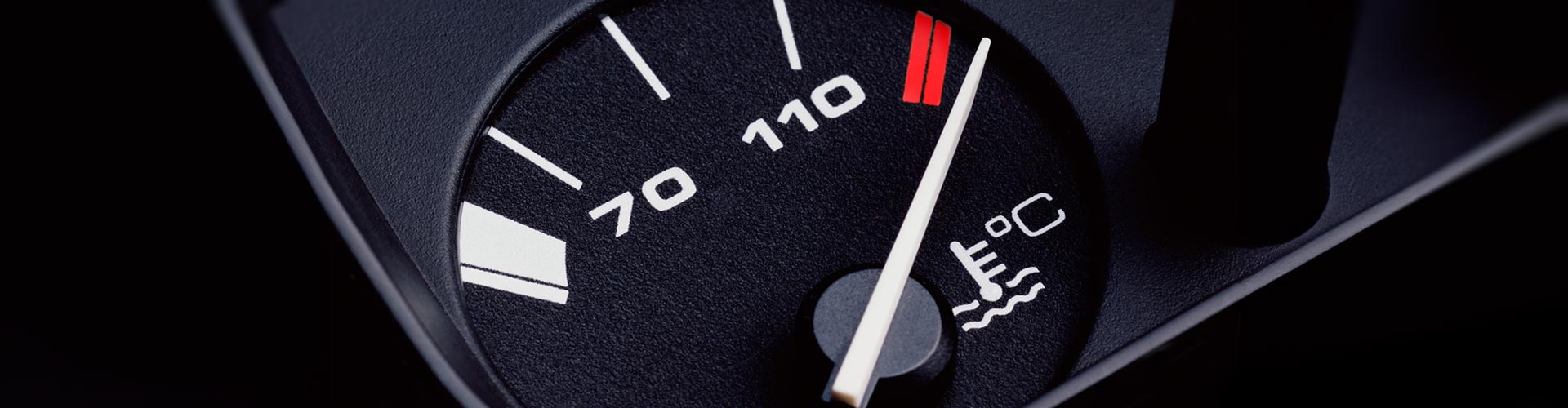
The first sign your car’s engine is overheating is usually the needle on the temperature gauge rising towards the red zone, or the ‘check engine’ or ‘temperature’ warning light on your dashboard illuminating. Here's what to do to avoid disaster.
Engine coolant is designed to draw excess heat from an engine to keep it at an optimum temperature. During this process, coolant becomes extremely hot and pressurised.
This heat and pressure is amplified as an engine overheats, meaning boiling coolant and steam will attempt to escape wherever it can, including through cracked radiators and/or split hoses and prematurely opened radiator caps, potentially causing injury.
Because of this danger, the NRMA suggests the following if you suspect the car has overheated:
-
Don’t ignore signs of overheating – it could cause serious engine damage
-
Stop somewhere safe as soon as you can
-
Don’t open the bonnet – wait for the NRMA while the engine cools
If this happens to you, stay safe by following these three simple steps from the NRMA:
Three steps to safely deal with a car overheating
-
As soon as you’re aware that the car may be overheating, stop somewhere safe, if possible away from traffic and other road hazards. Continuing to drive can quickly cause major damage;
-
Call 13 11 11 for NRMA roadside assistance or book online via the My NRMA app and we will quickly dispatch a road service patrol to assist you
-
Don’t open the bonnet or remove the radiator cap while you’re waiting for a patrol. Allow the engine to cool, which can take more than an hour.
In some cases, the problem will be repaired and you will be able to continue on your way.
If it’s suspected that your car’s engine has been damaged, or the overheating problem cannot be fixed at the roadside, your car will need to be towed to a service centre.
Regular checks of your car’s cooling system and proper servicing will significantly reduce the risk of overheating.
During days of extremely hot weather, NRMA roadside assistance usually receives a high volume of calls.
You can save time by making a quick request for help via the My NRMA app.


