PersonalBusiness
About the NRMAFuel pricesSupportAccessibilityAccessibility
NRMA Roadside, Travel and Rewards
  • About the NRMA
  • Fuel prices
  • Support
  • Accessibility
ADVERTISEMENT
Open Road
Advice and how-to
Driving
Car sign language

Car sign language: What flashing high beams and other signals mean

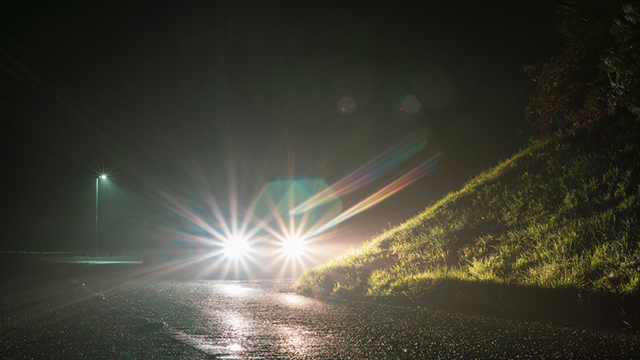
Although indicators, hazard lights and high beams have official functions, motorists also use them unofficially (and potentially illegally) to communicate. Here’s a guide to car sign language.
A car using its high beamsA car using its high beams on a dark road
21 February, 2026
Written by  
Kris Ashton
ADVERTISEMENT

Open Road and the NRMA are big proponents of the ‘thank you wave’. It’s an almost zero-effort way to acknowledge another driver’s courtesy or apologise for a driving error. In larger cities, especially, it’s a great way to defuse frustration that could otherwise lead to road rage.

But the courtesy wave is only one signal motorists share to communicate with one another. If you’ve been driving for more than a year or two, you’ve likely encountered ‘car sign language’ – a flash of high beams, hazard lights activated for a couple of seconds, a left-right-left cadence of indicators that has nothing to do with their regular purpose.

These signals are often a variation on the thank you wave – a way to express appreciation or some sort of information. Here’s a guide to what each one means:

A flash of high beams

This is the most common ‘car sign language’ signal. If someone flashes their headlights or high beams at you, the intended message will depend on the situation.

In a stationary or low-speed situation, such as a carpark or busy intersection, it usually means, “I see you and I’m letting you go first.”

If you’re in motion and a car coming in the other direction flashes its high beams, it’s usually a warning that a speed camera or the police are ahead. While there is no specific Road Rule in NSW stating you are not allowed to dip your lights to warn other road users, be aware, you could receive an infringement notice for it if a police officer alleges that while you were warning another driver, you also dazzled them.

If you’ve just cut someone off during a lane change, flashing high beams is slightly less aggressive way than a blaring horn to express displeasure (which can result in an on-the-spot fine!).

In the case of large trucks, if one truck overtakes another, the driver who has just been overtaken will flash his high beams to indicate the truck ahead is clear and can return to the left lane safely.

There is a host of other reasons someone might flash their high beams – you’ve forgotten to turn on your headlights after exiting a brightly lit area at night (or conversely your high beams are on and you’re dazzling oncoming drivers), there’s something wrong with your vehicle you’re not aware of, or you’re obstructing traffic in the overtaking lane. The legalities of using high beams for anything other than their intended purpose are covered here.
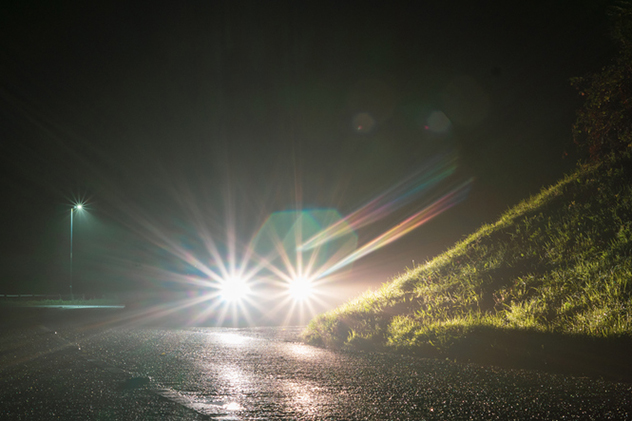
Car using high beams on dark road


Hazard flash

If you slow to create room for someone to change lanes in front of you, it’s reasonably common to see a hand raised in thanks. Some people instead opt to switch on their hazard lights for a few seconds to express their gratitude to the motorist behind.

If a car in motion ahead of you puts on its hazard lights, the driver may be warning of a traffic incident or other obstacle that will cause them to slow down rapidly. Some modern cars have this built in – the hazard lights will go on automatically under sudden braking from high speed.
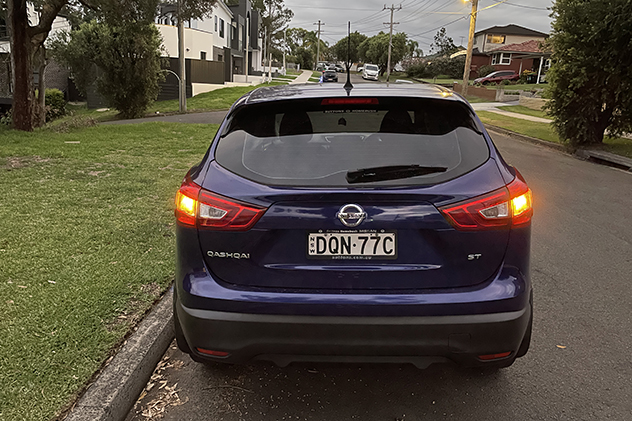
Nissan Qashqai hazard lights


Flash of indicator

On two-lane country roads, sometimes a truck or other slow vehicle will give a flash of its indicator to tell the vehicle behind it is safe to overtake. This is incredibly dangerous, of course, as any driver can make a judgment error and being involved in a high-speed head-on collision will likely be fatal. Last year, the Australian Trucking Association urged its members to discontinue the practice. If you do get stuck behind a slow truck, wait for an overtaking lane or ensure you have clear vision and an unquestionably safe gap ahead.

Double flash of brake lights

If the driver ahead of you double taps the brake pedal, it could mean you are tailgating and he or she is not happy about it. Which driver has the moral high ground is irrelevant – this is a dangerous situation for all and could lead to a collision and/or road rage incident.
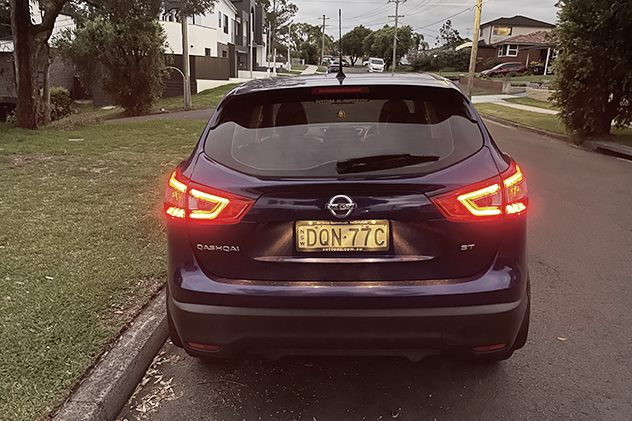
Nissan Qashqai brake lights

Share this article
facebook
twitter-x
linkedin
Pinterest
Whatsapp
Email

You might also like

Toyota badge
Toyota badge
What does your car’s badge mean? Interesting brand logos explained
From electric efficiency to combustive passion, car badges showcase design, history and philosophies in clever and creative ways. Let’s take a look at some of the best.
Toyota badge
Toyota badge
What does your car’s badge mean? Interesting brand logos explained
From electric efficiency to combustive passion, car badges showcase design, history and philosophies in clever and creative ways. Let’s take a look at some of the best.
Close-up of a L-plate on the rear bumper of a car
Tips for getting your learner licence
The NRMA guide to getting your L plates will answer all your questions for the first exciting step in learning how to drive.
Close-up of a L-plate on the rear bumper of a car
Tips for getting your learner licence
The NRMA guide to getting your L plates will answer all your questions for the first exciting step in learning how to drive.
Parking signs in Liverpool
How to read parking signs
Bamboozled by those blizzards of parking signs? This guide will help you quickly ascertain what they mean, park legally, and avoid fines.
Parking signs in Liverpool
How to read parking signs
Bamboozled by those blizzards of parking signs? This guide will help you quickly ascertain what they mean, park legally, and avoid fines.
Side view of a tyre being fitted to a car
Changing a tyre
Changing a tyre
Can you change a flat tyre? While NRMA roadside assistance can get it done in no time, you can also do it yourself following these seven simple steps.
Side view of a tyre being fitted to a car
Changing a tyre
Changing a tyre
Can you change a flat tyre? While NRMA roadside assistance can get it done in no time, you can also do it yourself following these seven simple steps.
Help
Support
Manage my account
Renew membership
Request roadside assistance
Products and services
Membership
Roadside assistance
Car battery replacement
Car insurance
Roadside assistance for business
Electric vehicle charging
Driving lessons
Travel insurance
International driving permit
Quick links
Join My NRMA Rewards
Find offers and discounts
My NRMA app
Cars and driving
Buying a car
Fuel finder
Trip planner
SIXT Car and Truck Rental
NRMA Parks and Resorts
My NRMA Rewards
Travel and holidays
Food and dining
Automotive
Experiences and attractions
Shopping and lifestyle
Cashback
Open Road
About us
Who we are
Our community impact
Careers
Media
Download the app
download on the apple store
Get it on google play
Sitemap
General conditions
Privacy policy
Cookie policy
Facebook
Instagram
x.com
youtube
linkedin
©️2026 National Roads and Motorists’ Association Limited. ABN 77 000 010 506.