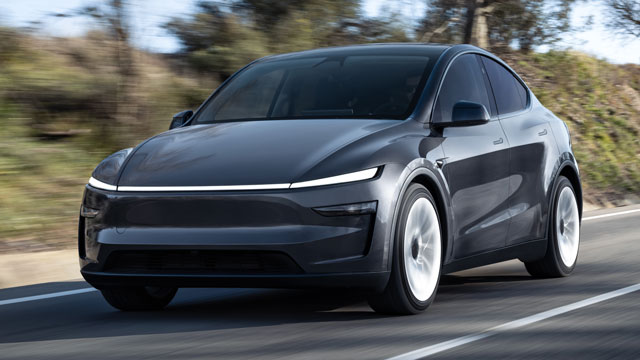
How Chinese brands are changing the used-car market

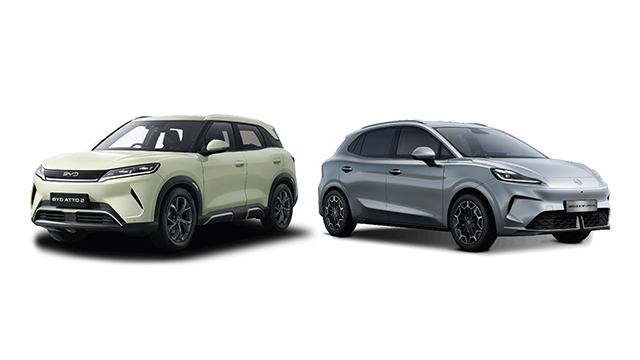
As brands such as MG, Haval, and BYD continue to climb the new-car sales charts, more of their vehicles are now flowing into the second-hand market, giving buyers more choice and access to significant savings.
The trend is one of the clearest findings in Carma’s Used Car Market Report: Spring Snapshot, which shows private-owner listings of Chinese-brand vehicles grew 58 per cent between August 2025 and August 2026. During the same period, the broader used-car market expanded by just 13 per cent.
That difference highlights just how quickly Chinese brands are maturing in Australia.
For years, buyers interested in used vehicles from Chinese manufacturers faced a relatively limited selection. The first generations of popular models had not spent enough time on the road to build a substantial second-hand market. Now, as large volumes of vehicles sold in recent years begin transitioning to second and third owners, stock levels are increasing rapidly.
What this means for consumers is stronger competition and more choice.
As a greater number of vehicles become available, buyers can compare multiple cars of the same model, assess condition and specifications more carefully, and negotiate from a stronger position. Rather than purchasing the only available example in a region, shoppers are increasingly able to compare multiple listings.
The impact is particularly noticeable in the popular $20,000 to $35,000 segment, where many Australian families shop.
According to the report, the value of Chinese-brand vehicles in this price range fell 11.1 per cent over the year. Comparable vehicles from non-Chinese brands declined by 8.7 per cent.
The report provides several examples. A two- to three-year-old MG HS was typically selling for $19,999, representing a 45.9 per cent discount compared with its new drive-away price of $36,991 . An MG ZS was selling for around 33. 2 per cent less than its new-car price, while a GWM Haval H6 was approximately 32.9 per cent below its original drive-away cost.
One of the most important lessons from the data is that depreciation rates vary substantially. While some vehicles have experienced very large price adjustments, others have held their value relatively well.
The GWM Haval Jolion provides a useful example. According to the report, used Jolions were approximately 20 per cent below their new drive-away pricing. While still representing meaningful depreciation, that decline is considerably smaller than some competing vehicles recorded.
This reinforces the importance of evaluating individual models on their own merits rather than applying a single assumption to an entire country of origin or brand category.
The rapid growth of Chinese-brand stock is also reshaping expectations around value. Historically, used-car buyers often compared vehicles based primarily on age, kilometres and brand reputation. Today, changing market dynamics mean buyers should also compare the used asking price against the vehicle's current new-car drive-away price.
In some cases, the discount may be substantial enough to make a used vehicle an obvious choice. In others, aggressive new-car pricing or manufacturer incentives may narrow the gap between new and used ownership. Understanding both sides of that equation can help buyers identify genuine value.
What is clear from the latest market data is that Australian consumers are benefiting from greater choice than ever before. As more Chinese-brand vehicles enter the used market, competition is increasing and prices are becoming more attractive across a range of popular vehicle categories.