PersonalBusiness
About the NRMAFuel pricesSupportAccessibilityAccessibility
NRMA Roadside, Travel and Rewards
  • About the NRMA
  • Fuel prices
  • Support
  • Accessibility
ADVERTISEMENT
Open Road
Advice and how-to
Driving
How to prevent accidentally locking a child in a car

How to avoid accidentally locking a child in a car
On a typical Australian summer's day, the temperature inside a parked car can be more than 30°C hotter than outside the car. That means that on a 30°C day, the temperature inside a car can reach over 60°C!
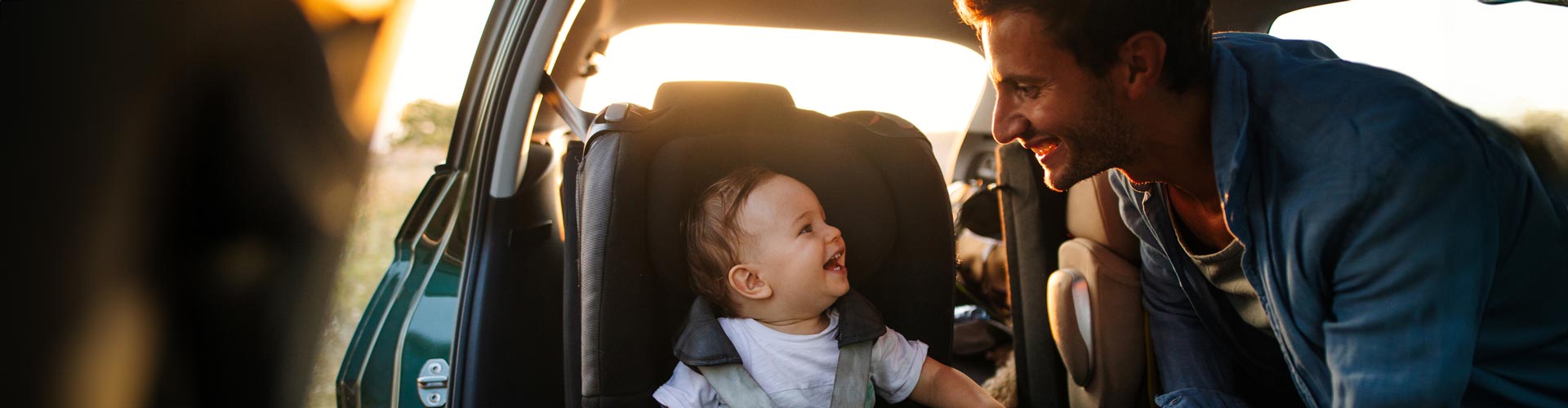
A father smiles while looking at his baby in the car seat with the doors openA father smiles while looking at his baby in the car seat with the doors open
21 January, 2025
Written by  
Open Road
ADVERTISEMENT

A child left in a parked car under those conditions for even a few minutes can very quickly become distressed, dehydrated and can die from organ failure. If you see anything, you need to act quickly. If you wait, it can be too late.

Do not leave your children in the car for any period of time without adult supervision. 

Four tips to avoid accidentally locking kids in cars

NRMA Roadside Patrol Kosta Karavanas is all too aware of the risk of parents accidentally locking kids in cars with keyless entry features.

“With some car models, as soon as the key is inside the car and the door is shut, the car automatically locks, leaving shocked parents outside and children or pets inside,” Mr Karavanas said.

“Even if you don’t think your car will self-lock with the key inside, don’t put yourself in the situation to find out, especially when kids are involved. We can’t always rely on technology to work.

  1. Always hold your car keys or put them in your pocket
  2. If the weather permits, open a window before placing children, pets or groceries in the car. 
  3. Never give your keys to your children to play with.
  4. Even if you think your car will not self-lock with the key inside, don't risk it.
  5. If a child is locked in a car, call 000. For non-emergencies, contact the NRMA, even if you are not a member. 

Criminal offence

Parents are also reminded that leaving an unattended child locked in a car under any circumstances is illegal with fines of up to $22,000 under the Children and Young Persons (Care and Protection) Act 1998.

Eight essential tips to remember
  1. Do not use the car as a substitute 'baby-sitter'. If you have to leave the car, even to run a quick errand, take the children with you.
  2. Do not leave your children in the car for any period of time without adult supervision.
  3. Provide plenty of cool water or fluids regularly during your journey.
  4. Dress children to promote airflow around their bodies, ie, lightweight fabric and light colours.
  5. When planning long journeys, especially with small children, consider travelling in the cooler hours of the day.
  6. Plan to stop every two hours so all passengers, including the baby, have an opportunity to move freely.
  7. In summer when children are wearing lightweight clothing, restraints and harnesses could need to be tightened.
  8. For rearward-facing restraints, it is not recommended that you use a hood to protect the baby from the sun. A hood can reduce airflow around a baby's head that can lead to the baby over-heating. A visor or sunshade is a safer alternative.
What to do if a child is locked in a car

You must make a judgment call as to whether it is a life and death situation and you would need to either.

  • break a window yourself and call an ambulance,
  • or call 000 and ask for police, who will get there as urgently as they can (and will break the window themselves) and they will call an ambulance.

If you break a window, and the child is simply asleep and it turns out not to be an emergency, it is possible that you could be required to pay for the window.

In less urgent circumstances, call the NRMA. You do not need to be a Member in this situation. Because of the grave danger involved, the NRMA drops everything to respond immediately to calls where a child is locked in a car.

Why you should never leave a child alone in the car

The temperature and humidity inside the car begin to increase while the airflow decreases. As the temperature increases inside the car, the child can begin to develop heat stress and start to dehydrate. Young children are more sensitive to heat than older children and adults. This can put them at greater risk of heat stroke and other health risks.

  • 75% of the temperature increase occurs within five minutes of closing the car
  • Darker-coloured cars can reach slightly higher temperatures than lighter-coloured cars
  • Large cars can heat up just as fast as small cars
  • The colour of interior trim has little effect on the speed that the temperature can increase inside a car
  • Having the windows down 5cm causes only a slight decrease in temperature with an outside temperature of around 30°C
Loading...
Share this article
facebook
twitter-x
linkedin
Pinterest
Whatsapp
Email

You might also like

A parent reaches in to back of car to secure children in their seats
'Pop it in your pocket' when juggling keys and kids
A parent reaches in to back of car to secure children in their seats
'Pop it in your pocket' when juggling keys and kids
Middle-aged woman sitting in driving seat of car and waving to someone outside the car
Is the courtesy wave necessary?
Middle-aged woman sitting in driving seat of car and waving to someone outside the car
Is the courtesy wave necessary?
A 'parents with prams' parking space
Who can use parents with pram spaces
A 'parents with prams' parking space
Who can use parents with pram spaces
Group of cyclists riding down a road next to cars
Sharing the road with cyclists
Group of cyclists riding down a road next to cars
Sharing the road with cyclists
Help
Support
Manage my account
Renew membership
Request roadside assistance
Products and services
Membership
Roadside assistance
Car battery replacement
Car insurance
Roadside assistance for business
Electric vehicle charging
Driving lessons
Travel insurance
International driving permit
Quick links
Join My NRMA Rewards
Find offers and discounts
My NRMA app
Cars and driving
Buying a car
Fuel finder
Trip planner
SIXT Car and Truck Rental
NRMA Parks and Resorts
My NRMA Rewards
Travel and holidays
Food and dining
Automotive
Experiences and attractions
Shopping and lifestyle
Cashback
Open Road
About us
Who we are
Our community impact
Careers
Media
Download the app
download on the apple store
Get it on google play
Sitemap
General conditions
Privacy policy
Cookie policy
Facebook
Instagram
x.com
youtube
linkedin
©️2026 National Roads and Motorists’ Association Limited. ABN 77 000 010 506.