
Tips for avoiding hail damage to your car
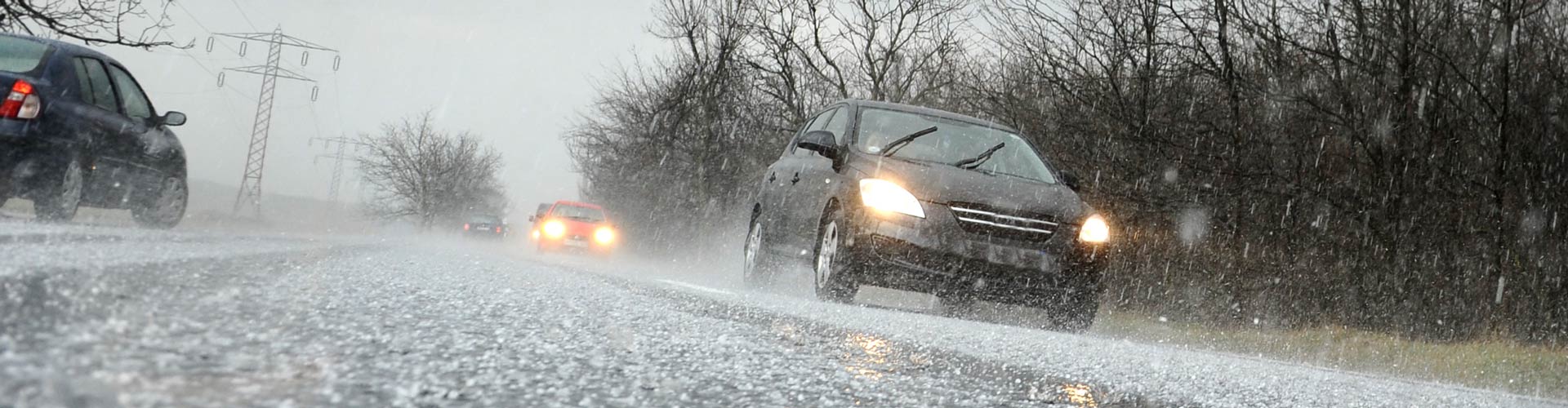
As temperatures rise across Australia during the summer months, the chance of severe summer storms increases and with them, the risk of hail damage for motorists.
Hail storms can cause significant damage to homes and vehicles alike. Larger hailstones may leave permanent dents in your car’s bodywork or lead to cracks and breakages in your windscreen, side windows and rear glass.
Every year, thousands of vehicles across Australia are impacted by hail, resulting in repair costs that run into the hundreds of millions of dollars. Damage can range from minor dents that may be repaired using paintless dent removal techniques, through to severe impacts that result in a vehicle being declared a write-off by an insurer.
While hail storms can be unpredictable, there are practical steps drivers can take to help reduce the risk of hail damage.
What is hail?
Hail are small pieces of ice created by a combination of warm surface temperatures, strong winds and cool air in the upper atmosphere. Water vapour condenses into tiny water droplets, cooling and freezing as it rises inside a thunderstorm updraft; the longer the droplets stay within the updraft, the bigger the hail becomes.
What are the best ways to protect your car from hail?
- Check the weather forecast
Prevention is better than cure when it comes to hail, and while weather forecasts aren’t iron-clad by any means, a cursory glance at the Bureau of Meteorology can be a worthwhile use of time.
BOM forecasts will often include severe weather activity including hailstorms, allowing you adequate time to prepare for a storm or get your vehicle undercover.
If you are out on the road and a hail storm is nearing, be sure to leave yourself enough time to find cover safely. Driving during a hail storm can be dangerous and poses unnecessary risk to you and your vehicle.
- Find cover from hail
This sounds like an obvious one, but the best way to protect your vehicle from hail is to make use of a secure undercover location, like a garage or a car port. Areas which completely block out hail – including from the side – are always a better bet, and always refrain from parking under trees, power lines or anything that isn’t tied down, as these could inflict more damage to your vehicle than the hail itself. Also be careful not to park near big bodies of water, which can swell in size during a sudden downpour.
If you’re out on the road and you’ve got some warning that a hail storm is approaching, consider:
- Turning your headlights on and pulling off the road and wait out the storm to avoid excessive hail damage
- Taking cover under a service station awning, undercover car park or multi-storey facility (being mindful of any potential floodwater risk when using these facilities)
- Do what you can to protect your vehicle, but don’t risk your own safety during a hail storm
- Protect your car using covers and blankets
Sometimes it’s simply not practical to find secure cover for your car. Don’t worry, you still have options.
If you live in an area that's prone to storms, it might be worth investing in a hail cover. Most auto stores stock them for about $200, providing coverage all over your vehicle from hail stones. A reminder NRMA members can take advantage of discounts at Repco stores around the country.
If a hail cover isn’t an option, consider using some old thick blankets, picnic blankets or a car cover to protect your vehicle as a storm approaches. If all else fails, even your floor mats can provide limited coverage from hail stones.
- Consider hail damage coverage in your car insurance
Check your comprehensive car insurance policy’s Product Disclosure Statement (PDS) to see whether your car is covered for hail damage. If your car does get damaged by hail and you're protected, you can then make a claim.
Always be sure to note the details of the incident, including the date, time and location, and lodge your claim using your policy number.


